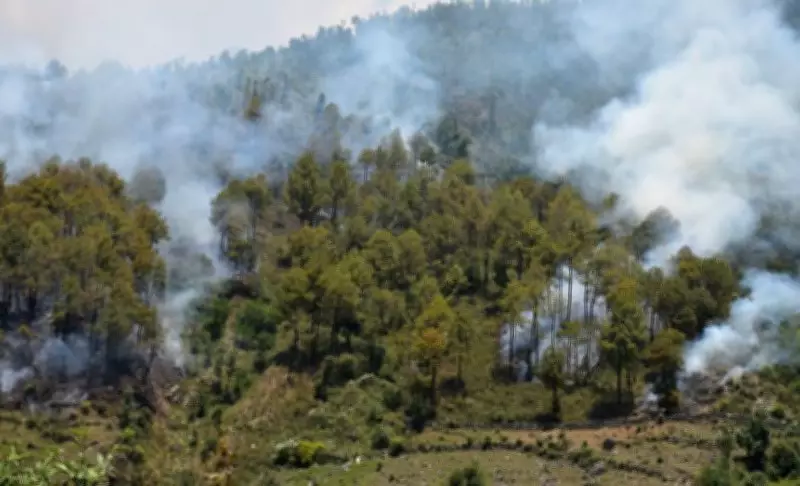
A recent study by the Council of Scientific and Industrial Research's Institute of Himalayan Bioresource Technology (CSIR-IHBT) has revealed a concerning trend: forest fires in the Western Himalayas are progressively moving to higher altitudes. This shift poses a significant threat to the region's fragile alpine ecosystems and biodiversity.
Key Findings of the Study
The research, which analyzed satellite data over the past two decades, indicates that fire incidents have increased at elevations above 2,000 meters. Traditionally, forest fires were more common at lower altitudes, but changing climatic conditions are driving them upward. The study highlights that warmer temperatures and prolonged dry spells are creating favorable conditions for fires at higher elevations.
Impact on Alpine Ecosystems
Alpine regions, which are home to unique flora and fauna, are particularly vulnerable. Species adapted to cold environments may not survive the increased fire frequency. The loss of vegetation also accelerates soil erosion and disrupts water cycles, affecting downstream communities.

Role of Climate Change
The study underscores the role of climate change in exacerbating fire risks. Rising temperatures are causing snow to melt earlier, leaving vegetation dry for longer periods. Additionally, changes in precipitation patterns are leading to more intense droughts, further fueling fire incidents.
Recommendations for Mitigation
The researchers urge policymakers to incorporate these findings into forest management strategies. They recommend:
- Enhanced monitoring: Using satellite imagery and ground-based sensors to detect fires early at high altitudes.
- Community awareness: Educating local populations about fire prevention and safe practices.
- Ecosystem restoration: Reforesting burned areas with native species to restore ecological balance.
- Climate adaptation: Integrating climate projections into long-term planning to reduce vulnerability.
The study serves as a wake-up call for immediate action to protect the Western Himalayas from the escalating threat of forest fires.