

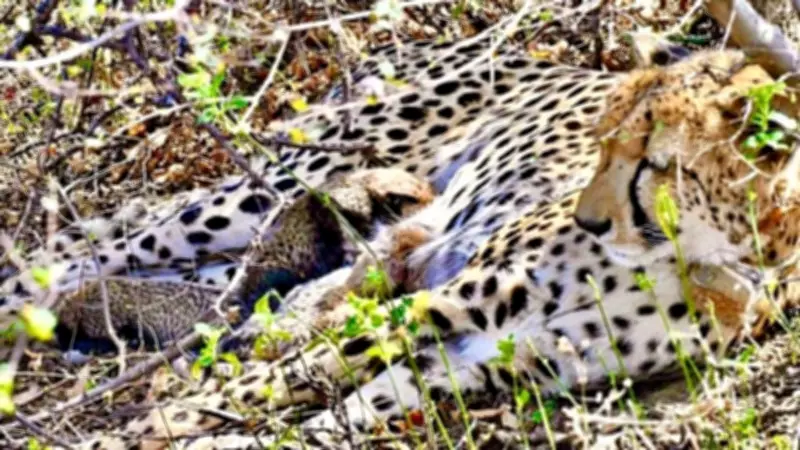
Historic Cheetah Birth: Four Cubs Born in Madhya Pradesh's Kuno National Park
In a monumental achievement for wildlife conservation efforts in India, a cheetah has successfully given birth to four cubs at Kuno National Park in Madhya Pradesh. This event marks the first recorded birth of cheetahs in the wild at this sanctuary, signifying a significant milestone in the ongoing project to reintroduce the species to the country.
Details of the Birth Event
The birth occurred within the protected confines of Kuno National Park, a sanctuary that has been at the forefront of India's cheetah reintroduction program. The mother cheetah, part of a group translocated to the park, delivered the four cubs in a natural habitat setting, demonstrating the adaptability and resilience of these majestic animals in their new environment.
This is the first time such a birth has been documented in the wild at Kuno National Park, highlighting the success of conservation initiatives aimed at restoring cheetah populations in India. The cubs are reported to be healthy and under the care of their mother, with park authorities closely monitoring their progress to ensure their well-being.

Significance for Wildlife Conservation
The birth of these four cubs is a critical step forward in the cheetah reintroduction project, which aims to reestablish a viable population of cheetahs in India after their local extinction decades ago. This event underscores the potential for successful species recovery through dedicated conservation efforts, providing hope for other endangered wildlife.
Key aspects of this development include:
- Boost to Biodiversity: The addition of four new cubs enhances genetic diversity and strengthens the cheetah population in the park.
- Conservation Validation: It validates the habitat suitability and management strategies implemented at Kuno National Park.
- Global Attention: This milestone draws international focus to India's wildlife conservation achievements.
Background and Future Prospects
Kuno National Park was selected as a prime location for cheetah reintroduction due to its expansive grasslands and prey availability, mimicking the natural conditions required for cheetah survival. The park has undergone extensive preparations, including habitat restoration and anti-poaching measures, to support this initiative.
Looking ahead, park officials plan to continue their vigilant monitoring of the cheetah family, with efforts focused on:
- Ensuring the cubs' health and safety as they grow.
- Studying their behavior and integration into the ecosystem.
- Expanding conservation programs based on insights from this birth.
This historic birth not only celebrates a triumph for Madhya Pradesh's wildlife but also sets a precedent for future conservation projects across India and beyond.






