

Future Conflicts: A Shift from Cultural to Racial Clashes Predicted
In a thought-provoking analysis, experts are now predicting that future global wars and tensions will increasingly be driven by racial divisions rather than the cultural clashes famously theorized by Samuel Huntington. This perspective marks a significant evolution in geopolitical thought, challenging long-held assumptions about the primary drivers of international conflict.
Revisiting Huntington's Cultural Clash Theory
Samuel Huntington's influential book, The Clash of Civilizations and the Remaking of World Order, was published in 1996. This work emerged in a specific historical context: after the fall of the Soviet Union and the subsequent reshaping of global alliances, but notably before the transformative events of September 11, 2001. Huntington's central thesis argued that future conflicts would predominantly arise from cultural and religious differences between major world civilizations.
The Changing Geopolitical Landscape
The world has undergone dramatic transformations since Huntington's theory was first proposed. One of the most significant shifts has been China's ascendancy as a global and military power, a development that was not fully anticipated in the mid-1990s. This rise, along with other geopolitical realignments, has prompted scholars and analysts to re-examine the fundamental causes of potential future conflicts.

Current analysis suggests that while cultural factors remain relevant, racial identities and divisions are becoming increasingly potent sources of tension on the global stage. This shift is attributed to several key factors:
- Growing demographic changes and migration patterns worldwide
- The resurgence of nationalist and identity-based politics in many regions
- Economic competition that often aligns along racial or ethnic lines
- Historical grievances and inequalities that continue to influence international relations
Implications for Global Security and Diplomacy
This new perspective on conflict drivers has profound implications for how nations approach security, diplomacy, and international cooperation. If racial divisions indeed become primary conflict drivers, it would necessitate:
- A fundamental reassessment of alliance structures and security partnerships
- New approaches to conflict prevention and resolution that address racial dimensions
- Revised diplomatic strategies that account for these emerging fault lines
- Enhanced efforts to promote racial understanding and cooperation at international levels
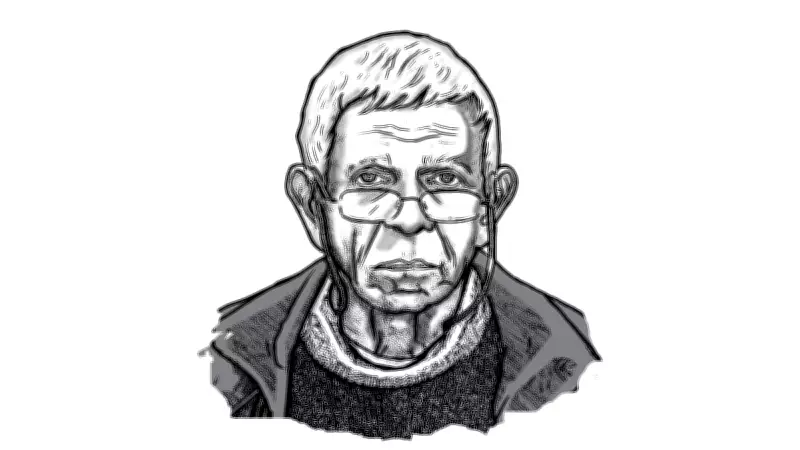
The analysis, contributed by commentator Roger Marshall and last updated on April 18, 2026, represents a significant departure from traditional conflict theory. As the global power balance continues to evolve, with China's growing influence and other geopolitical shifts, understanding these emerging dynamics becomes increasingly crucial for maintaining global stability and peace.






