

Genetic Study Solves 250-Year Mystery of Crocodiles in Seychelles
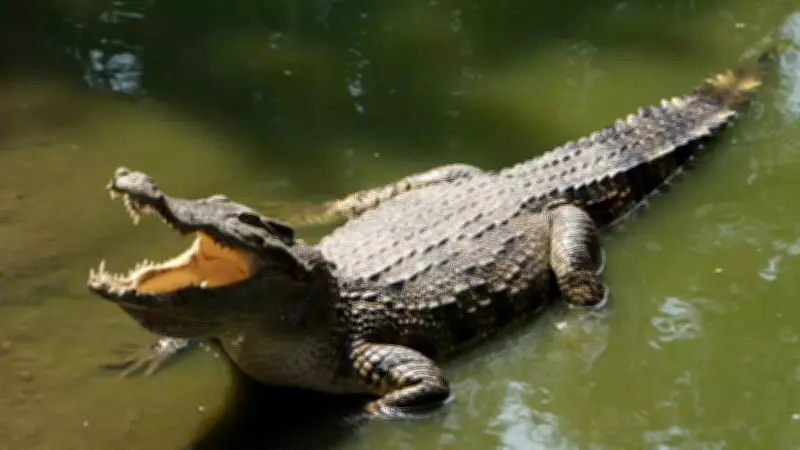
More than two centuries ago, early explorers visiting the Seychelles Islands reported an unexpected and puzzling sight along the beaches and at river mouths: crocodiles. These sightings baffled naturalists because the islands are located thousands of kilometres away from the primary habitats of these reptiles. Now, a recent genetic study has finally clarified this long-standing mystery, confirming that the crocodiles present in the Seychelles were of the species known as the Saltwater Crocodile (Crocodylus porosus), which possesses the remarkable ability to travel vast distances across the sea.
Crocodiles Once Thrived in the Seychelles
Records from scientific expeditions over 250 years ago describe crocodiles as common along the shores of the Seychelles. These reptiles were frequently observed in coastal areas and near river mouths, environments that closely resemble the habitats used by saltwater crocodiles in modern times. However, the situation changed dramatically after the establishment of permanent human settlement around 1770. Within just a few decades, the animals disappeared from the islands, and the local population was completely wiped out. Today, the only physical evidence left behind by these crocodiles consists of a few preserved specimens, including incomplete skulls housed at the Seychelles National Museum.
For many years, scientists debated whether these animals constituted a distinct island species or were related to other crocodile populations found on different continents. This uncertainty persisted due to the lack of comprehensive genetic data and the extinction of the Seychelles population.

DNA Analysis Confirms Saltwater Crocodile Origin
The question was revisited by an international research team that employed advanced genetic analysis to study both modern and historical crocodile samples. To trace the species' evolutionary background and geographic spread, scientists from Germany and the Seychelles compared DNA sequences from living saltwater crocodiles with mitochondrial genomes preserved in museum specimens of the genus Crocodylus. The samples included those of the extinct Seychelles crocodiles, as well as modern samples from Asia and the Pacific.
The study, published in Royal Society Open Science, revealed that the reptilian population on the islands was indeed part of the saltwater crocodile species. However, they were identified as the westernmost group of this species, highlighting their unique geographic isolation. This finding provides crucial insights into the dispersal capabilities of these animals across vast oceanic distances.
How Crocodiles Crossed the Indian Ocean
Saltwater crocodiles possess several distinctive traits that make them unusually well-suited for marine environments. Unlike most crocodilian species, they have specialised salt glands that help remove excess salt from their bodies. This adaptation allows them to tolerate seawater and undertake extensive journeys through coastal and ocean waters. It is believed that these reptiles arrived in the Seychelles by drifting across the Indian Ocean, possibly carried by ocean currents while resting on floating vegetation or debris.
The study also emphasises the remarkable geographic range of saltwater crocodiles. According to Stefanie Agne of the University of Potsdam, the genetic evidence suggests that populations of the species remained connected even across very large distances. This indicates that saltwater crocodiles were capable of dispersing widely through coastal waters and island chains. Today, the species occupies a broad region extending from South Asia and Southeast Asia to northern Australia and the Pacific islands.
Before the disappearance of the Seychelles population, its historic range stretched even further, covering more than 12,000 kilometres from Vanuatu in the Pacific Ocean to the Seychelles in the western Indian Ocean. This vast distribution underscores the species' adaptability and resilience in diverse marine environments.

Museum Collections Play a Key Role in Solving the Mystery
Because the Seychelles crocodiles vanished long ago, museum collections played an indispensable role in the investigation. Among the few remains are three incomplete skulls kept at the Seychelles National Museum. By extracting samples of mitochondrial DNA from these specimens, scientists were able to compare this genetic material with the DNA of modern crocodiles. The study conclusively showed that the population of the islands was part of the same species as the population of crocodiles found in the Indo-Pacific region today, thereby resolving the centuries-old enigma.
This research not only clarifies the historical presence of crocodiles in the Seychelles but also contributes to our understanding of species dispersal and extinction in island ecosystems. The findings highlight the importance of genetic studies and museum archives in uncovering the secrets of the natural world.





