Giuseppe Mazzini: The Visionary Who Forged Modern Italy
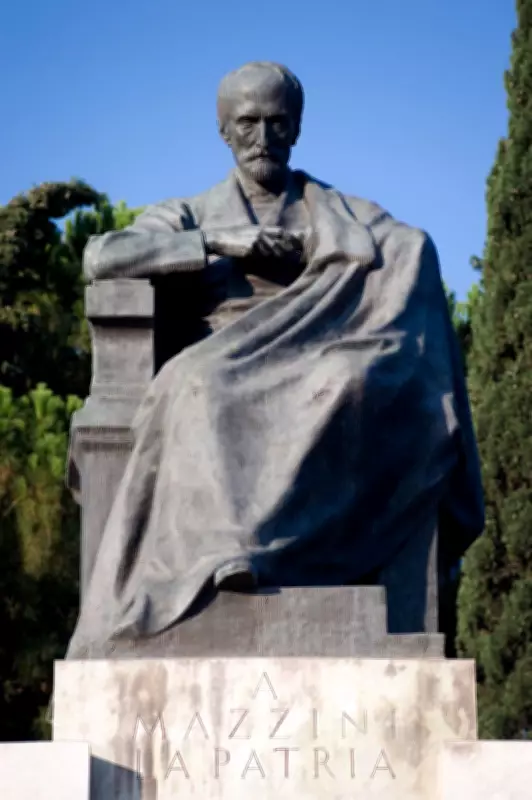
Giuseppe Mazzini, born on June 22, 1805, and passing on March 10, 1872, stands as one of the most pivotal figures in European history. Revered as the "Soul of Italy" and the "Father of Italy," Mazzini was not merely a patriot but a profound philosopher, a dedicated Freemason, and a transformative politician. His life's work catalyzed the emergence of the modern Italian nation, replacing a fragmented peninsula of separate states, many under foreign domination, with a unified sovereign entity.
The Architect of Italian Unification
Mazzini's relentless efforts were instrumental in dismantling the old order that characterized Italy until the 19th century. At that time, the region was a patchwork of independent states, such as the Kingdom of Sardinia, the Papal States, and the Kingdom of the Two Sicilies, often controlled by external powers like Austria. Through his advocacy and activism, Mazzini inspired a national consciousness that fueled the Risorgimento, the movement for Italian unification. His vision extended beyond mere political consolidation; he dreamed of a Italy free from foreign influence, united under republican principles.
Defining Modern Republican Democracy
Beyond Italy, Giuseppe Mazzini played a crucial role in shaping the modern European movement for popular democracy within a republican framework. His philosophical writings emphasized:

- Popular sovereignty, where power derives from the people.
- Republican ideals, advocating for a state without monarchy.
- Democratic participation, ensuring citizens have a voice in governance.
These concepts influenced democratic movements across Europe, making Mazzini a key thinker in the evolution of political systems that prioritize liberty and self-determination.
Legacy and Lasting Impact
Mazzini's legacy endures in the foundations of the Italian Republic and in democratic thought worldwide. His contributions remind us of the power of ideology in driving historical change. As we reflect on his life, from his birth in Genoa to his death in Pisa, we see a man whose passion for freedom and unity reshaped a continent. In today's global context, his emphasis on democracy and national identity continues to resonate, offering lessons for contemporary political discourse.