

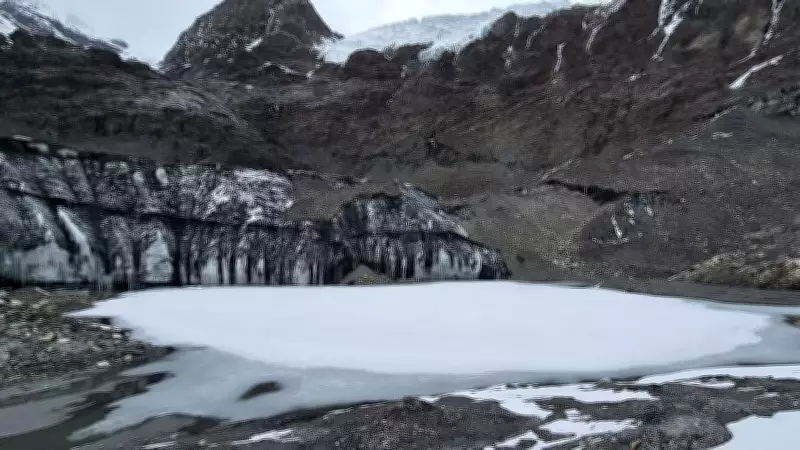
Scientists have raised an urgent alarm regarding a potential glacial lake outburst flood (GLOF) threat from the Khangri glacier in Arunachal Pradesh's Tawang district. The proglacial lake was identified during the Khangri glacial expedition to the Mago Chi basin, a critical headwaters region of the larger Brahmaputra basin system.
Expedition Uncovers Growing Threat
The expedition, led by a team of glaciologists and geologists, revealed that the lake has been expanding rapidly due to accelerated glacier melt. The Mago Chi basin, known for its sensitive ecosystem, serves as a vital water source for downstream communities. The team warned that a sudden breach could unleash devastating floods, endangering lives and infrastructure in the valley below.
Climate Change Accelerating Risks
Experts attribute the rapid formation and growth of proglacial lakes to rising global temperatures. The Khangri glacier, like many in the Himalayas, is retreating at an alarming rate, leaving behind unstable moraine dams that hold back these lakes. The expedition's findings underscore the urgent need for continuous monitoring and early warning systems in the region.

Local authorities have been alerted, and disaster management teams are on standby. Scientists recommend immediate installation of automated weather stations and water level sensors to track changes in the lake. They also call for community awareness programs to prepare residents for possible evacuation scenarios.
The Brahmaputra basin, which supports millions of people across India and Bangladesh, is particularly vulnerable to GLOF events. This detection adds to a growing list of dangerous glacial lakes in the Himalayas, emphasizing the broader impact of climate change on high-altitude environments.






