Panaji: This year's World Environment Day theme on June 5 emphasizes conservation of natural habitats to combat climate change. In Goa, plateau formations have experienced drastic changes, once considered barren and opened for development. However, a new extensive study of a single plateau in Goa has revealed the thriving biodiversity housed in these lateritic formations, especially when located closer to the coast.
Study Findings on Betul Plateau
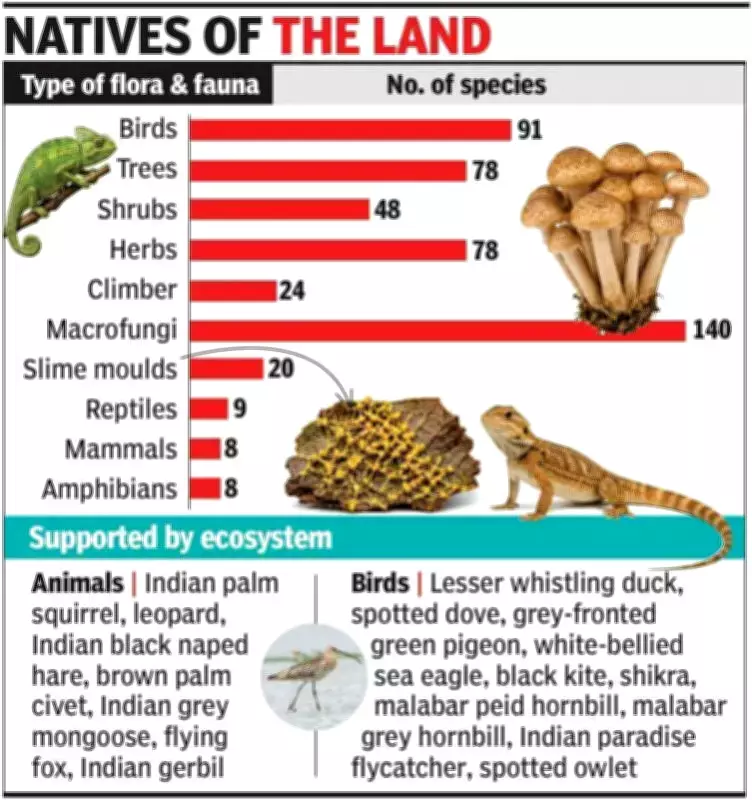
A study by the Goa State Biodiversity Board (GSBB) of Betul plateau found it home to 228 plants, several under IUCN vulnerable and endangered categories. Additionally, 91 birds, eight mammals, nine reptiles, and eight amphibians were recorded. Another 163 distinct species of macrofungi were identified on the plateau.
Ecological Services and Carbon Sink
The vegetation provides significant ecological services like microclimatic buffering and carbon assimilation while sustaining pollinator and decomposer networks. The plateau was found to be an important carbon sink. Quantitative estimation of biomass and carbon sequestration potential underscores the campus's vital role as a carbon sink, states the study.

Conservation Efforts by ONGC
The GSBB study was commissioned by Oil and Natural Gas Corporation Limited (ONGC), which established its Advanced Training Institute (ONGC-ATI) on the plateau. The study will serve as a basis for a conservation plan. Led by senior biologist Manoj Borkar, the team found Betul plateau thriving in invertebrate diversity with over 50 species, including 33 butterflies, seven wasps, seven odonates, seven bees, and two ants.
Hydrologically, the area forms part of the Zuari estuarine drainage system, said GSBB member secretary Pradip Sarmokadam. Ephemeral pools, runoff channels, and seasonal wetlands develop during monsoon, acting as breeding and feeding grounds for amphibians, odonates, and aquatic macroinvertebrates.
Animal Species and Monitoring
Animal species found include Indian palm squirrel, Hanuman langur, Indian leopard, brown palm civet, Indian black naped hare, Indian flying fox, and grey mongoose. Recent ecological studies show Goa as a critical refuge for pollinator species and endemic flora adapted to lateritic and coastal ecosystems.
Five biodiversity monitoring plots have been officially assigned by ONGC-ATI for green restoration and biodiversity enhancement. These plots are earmarked for conservation with a critical guideline: no construction, infrastructure expansion, or civil modification shall be permitted within or adjacent to them. The entire area will be maintained as a dedicated green zone, serving as a long-term ecological observatory and reference site for biodiversity and carbon dynamics.
Future Plans
During Phase II, a scientifically guided invasive removal and native species enrichment plan will be implemented. Subsequent replanting will prioritize ecologically analogous native taxa.