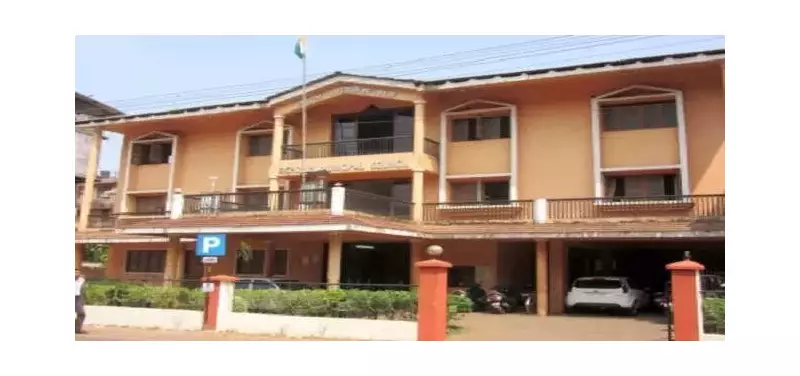
The coastal state of Goa has taken a significant step towards sustainable urban management with the inauguration of a new biogas facility. The Goa Energy Development Agency (GEDA) officially handed over a pilot biogas plant to the Bicholim Municipal Council (BMC), marking a push for decentralised solutions to waste and energy challenges.
A Practical Step Towards Zero Waste
The plant was received by Vijaykumar Natekar, the chairperson of the BMC. He emphasised that this initiative is a cornerstone of the council's broader ambition to achieve a "zero waste" objective. By promoting the segregation and scientific treatment of organic waste right at its source, the project aims to drastically cut down the amount of biodegradable refuse ending up in landfills.
This compact system is designed to process between 1 and 50 kilograms of kitchen waste every single day. The dual output of the plant is what makes it particularly valuable: it generates usable biogas for energy and produces high-quality organic manure as a byproduct. This transforms a problem into a resource.

GEDA Champions Decentralised Renewable Energy
Senior officials from GEDA were present to underscore the project's wider potential. Gourish A Pilgaonkar, the Managing Director of GEDA, pointed out that the plant showcases kitchen waste's untapped potential as a valuable resource for clean energy generation. He advocated for the replication of such decentralised biogas systems beyond municipal settings.
"These systems are scalable and can be effectively adopted in a variety of settings," Pilgaonkar noted. The potential applications he listed include:
- Individual households and residential housing societies
- Educational institutions and government offices
- Hotels, hospital canteens, and restaurants
Sanjeev Joglekar, the Member Secretary of GEDA, highlighted the multiple layers of benefits. Processing organic waste locally eliminates the need for long-haul transportation to centralised landfill sites. This directly translates to lower transportation costs and a significant reduction in associated greenhouse gas emissions. Simultaneously, it contributes to local renewable energy production and creates organic fertiliser, supporting circular economy principles.
Demonstration and Future Roadmap
The handover event included a live demonstration of the biogas plant's operation. Officials and attendees were shown its working features, emphasising its user-friendly design and tangible environmental advantages. The pilot project in Bicholim is seen as a model that could pave the way for similar installations across Goa's towns and cities, turning waste into a source of energy and sustainability.