

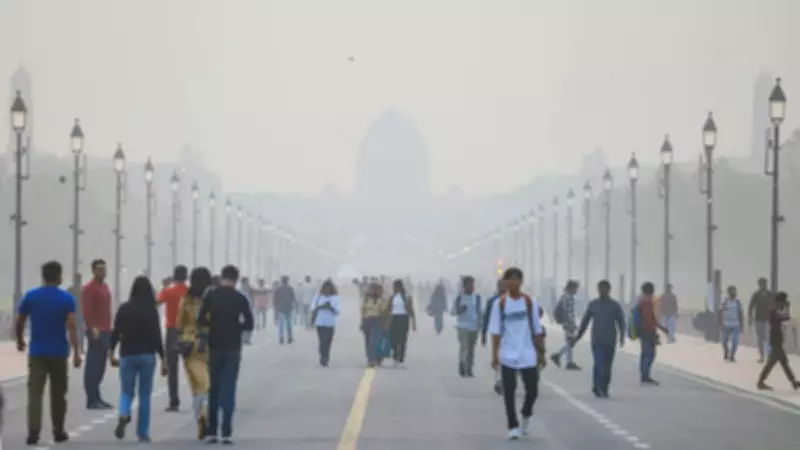
GRAP Stage 1 Measures Activated in Delhi-NCR Amid Declining Air Quality
In response to a significant deterioration in air quality, authorities in the Delhi-National Capital Region (NCR) have officially enforced the Graded Response Action Plan (GRAP) Stage 1 restrictions. This decisive action comes as the Air Quality Index (AQI) has slipped into the 'Poor' category, raising concerns about public health and environmental sustainability.
Current Air Quality Situation and Monitoring
The Air Quality Index across various monitoring stations in Delhi and its surrounding areas has consistently shown readings that fall within the 'Poor' range, typically between 201 and 300. This classification indicates that the air pollution levels are unhealthy for sensitive groups and may cause breathing discomfort to the general population. Continuous monitoring by agencies such as the Central Pollution Control Board (CPCB) and the System of Air Quality and Weather Forecasting and Research (SAFAR) has highlighted a steady decline in air quality over recent days, attributed to factors like vehicular emissions, industrial activities, and unfavorable meteorological conditions.
Details of GRAP Stage 1 Restrictions
Under GRAP Stage 1, which is triggered when the AQI enters the 'Poor' category, a series of preventive measures are mandated to mitigate pollution sources. Key restrictions include:

- Enhanced Public Transport: Authorities are required to increase the frequency of public transportation services, such as buses and metro trains, to reduce reliance on private vehicles.
- Dust Control Measures: Strict enforcement of dust control norms at construction sites, including mandatory covering of construction materials and regular water sprinkling.
- Traffic Management: Implementation of traffic regulations to minimize congestion and idling of vehicles, which are significant contributors to air pollution.
- Ban on Open Burning: Prohibition of open burning of waste and biomass, with increased vigilance and penalties for violations.
- Public Awareness Campaigns: Launch of awareness drives to educate citizens about the health impacts of poor air quality and encourage the adoption of pollution-reducing practices.
Health Implications and Public Advisory
The 'Poor' AQI level poses health risks, particularly for vulnerable groups such as children, the elderly, and individuals with pre-existing respiratory or cardiovascular conditions. Symptoms like coughing, throat irritation, and breathing difficulties may become more prevalent. Health authorities have issued advisories recommending that people limit outdoor activities, especially during peak pollution hours, and use masks when necessary. Schools and workplaces are also urged to take precautionary measures to protect students and employees from exposure to polluted air.
Future Outlook and Escalation Plans
If the air quality continues to worsen and enters higher categories such as 'Very Poor' or 'Severe', GRAP provisions allow for the escalation to more stringent stages. Stage 2 and beyond could involve additional measures like restrictions on certain vehicle types, temporary shutdowns of industrial units, and even the possibility of odd-even vehicle rationing schemes. Authorities are closely monitoring the situation and have emphasized the importance of collective action from government bodies, industries, and citizens to improve air quality and prevent further degradation.
The implementation of GRAP Stage 1 underscores the ongoing challenges faced by Delhi-NCR in managing air pollution and highlights the need for sustained efforts to achieve cleaner air for all residents.






