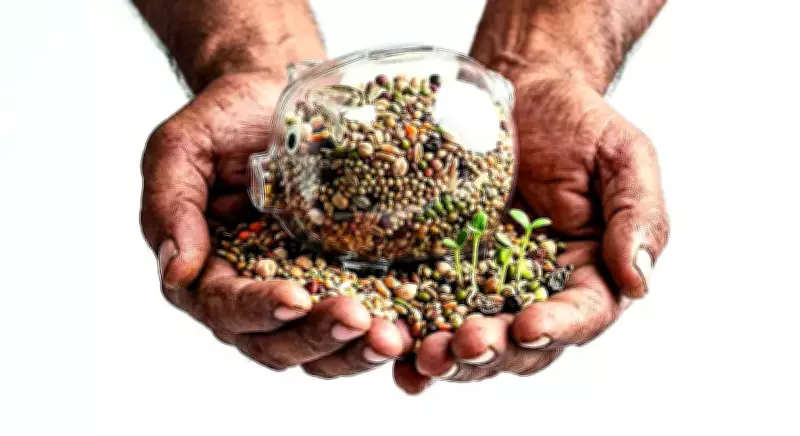
On World Environment Day, farmers in Gujarat are taking innovative steps to fight climate change by reviving traditional seed varieties. Hitesh Meniya, a farmer from Vadali near Surendranagar's Chotila, observed that crops have lost their distinct flavors over the years. 'Tomatoes have lost their tanginess and bitter gourds their bitterness,' he said. About three years ago, Meniya and fellow farmers began collecting seeds from conventional crops grown organically. 'We have created a seed bank of over 20 varieties that have been part of regional farming for generations,' he added.
World Environment Day Theme and Expert Insights
This year's World Environment Day, themed 'Inspired by Nature. For Climate. For Our Future,' highlights agriculture as a key sector in combating climate change. The Centre for Environment Education (CEE), in collaboration with the Gujarat Biodiversity Board (GBB), recently hosted a workshop titled 'Biodiversity Connect: Dialogue, Learning and Action for People's Biodiversity Register (PBR).' Suman Rathod, a CEE coordinator, emphasized that participants were urged to view the exercise not just as documentation but as a dynamic tool for biodiversity conservation, local planning, and community participation. In 2024-25, approximately 1,500 PBRs were created to document the biodiversity of villages and towns across Gujarat, according to the GBB website.
Community Initiatives for Biodiversity Conservation
Himmat Chauhan from Khambhat, whose NGO is involved in the PBR initiative, noted that tribal regions boast a wide variety of edible leaves, far exceeding the three to four types commonly consumed in urban areas. 'We have launched an initiative to conserve roselle, widely used in local cooking, and are also working on nagli and other traditional crops,' he said. Similarly, Kashiram Khicha, working in the Bavla-Sanand region, is focused on conserving desi kamod, a native rice variety. 'We roamed the Nal Sarovar region with specific communities across 12 villages to find nutritious red rice and have conserved its seed. Native crops enrich the soil and are more resilient,' he explained.

These grassroots efforts underscore the importance of preserving agricultural biodiversity as a strategy to adapt to climate change, ensuring food security and cultural heritage for future generations.