

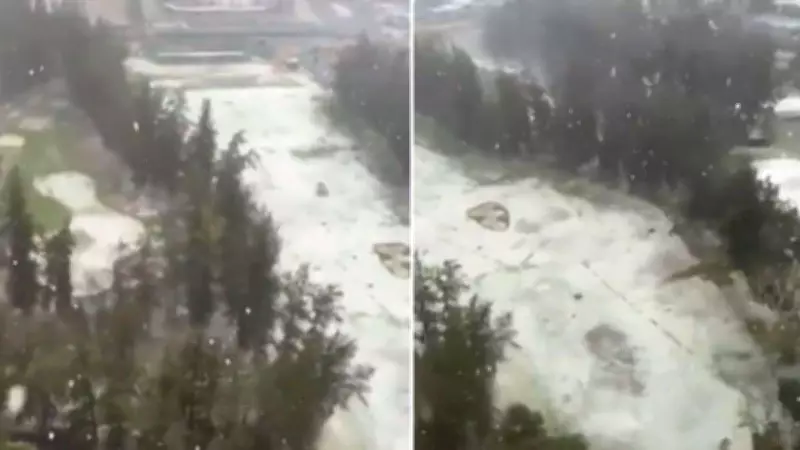
Heavy Rainfall and Hailstorms Batter Pune: What's Causing the Unexpected Weather Shift?
Pune, a city known for its pleasant climate, was recently hit by an unexpected and intense bout of heavy rainfall and hailstorms, causing significant disruption to daily life and raising concerns among residents and authorities alike. The sudden weather change, which occurred on March 30, 2026, led to waterlogging in low-lying areas, traffic snarls, and damage to property, including vehicles and crops in surrounding regions. This unusual event has prompted meteorologists to investigate the underlying causes, with initial analyses pointing to a combination of atmospheric factors and broader climate trends.
Immediate Impact on Pune
The heavy downpour and hailstorms resulted in immediate challenges for the city. Roads were inundated, leading to traffic jams and delays for commuters. Several areas reported power outages as electrical infrastructure was affected by the severe weather. Local authorities were quick to respond, deploying teams to clear waterlogged zones and assist residents. Farmers in nearby rural areas expressed distress over crop damage, which could impact agricultural yields and livelihoods. The unexpected nature of this weather event has highlighted Pune's vulnerability to such extreme conditions, despite its typically stable climate.
Scientific Explanation for the Weather Anomaly
Meteorological experts have identified a western disturbance as the primary driver behind this sudden weather shift. A western disturbance is a low-pressure system that originates over the Mediterranean Sea and moves eastward, bringing moisture and instability to regions like Maharashtra. In this case, it interacted with local atmospheric conditions, leading to the formation of intense thunderstorms and hailstorms. Additionally, climate change is believed to be exacerbating such events, making them more frequent and severe. Rising global temperatures can increase atmospheric moisture content, fueling heavier rainfall and more extreme weather patterns.

- Western Disturbance: A low-pressure system from the Mediterranean that brought moisture and instability to Pune.
- Local Topography: Pune's location near the Western Ghats can amplify weather systems, leading to enhanced precipitation.
- Climate Change: Long-term warming trends are making extreme weather events more common and intense.
- Atmospheric Instability: Sudden changes in temperature and pressure created conditions conducive to thunderstorms and hail.
Broader Implications and Future Outlook
This incident underscores the need for improved weather forecasting and disaster preparedness in urban areas like Pune. As climate change continues to influence weather patterns, cities must adapt by enhancing drainage systems, updating infrastructure, and raising public awareness about extreme weather risks. Experts warn that similar events could become more frequent in the future, necessitating proactive measures from both government and communities. Residents are advised to stay informed through official weather updates and take precautions during such episodes to ensure safety and minimize damage.
In summary, the heavy rainfall and hailstorms in Pune were caused by a complex interplay of a western disturbance and climate-related factors. While immediate recovery efforts are underway, this event serves as a reminder of the growing challenges posed by unpredictable weather in an era of environmental change. Continued research and adaptation will be crucial in mitigating future impacts and safeguarding vulnerable regions.






