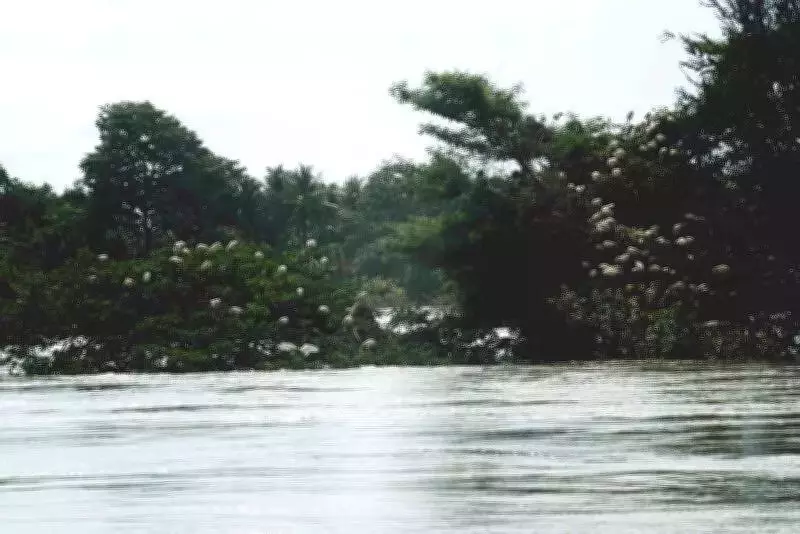
Highway Project Near Ranganathittu Bird Sanctuary Raises Environmental Alarms
The proposed construction of the Srirangapatna-Kushalnagar national highway has ignited significant concern among environmentalists and wildlife conservationists across Karnataka. The project's alignment, which touches the eco-sensitive zone surrounding the internationally renowned Ranganathittu Bird Sanctuary, is being scrutinized for its potential impact on one of the region's most fragile ecosystems.
Proximity to Critical Bird Habitat
While project authorities emphasize that the planned road will be approximately 1.5 kilometers away from the sanctuary's actual bird islands, conservation experts remain deeply worried. Ranganathittu, situated along the banks of the Cauvery River, represents Karnataka's largest bird sanctuary and serves as a crucial breeding ground for numerous migratory and resident bird species.
The sanctuary attracts birds from distant regions across several countries, who flock to its riverine islands specifically for nesting purposes. Iconic species including painted storks, pelicans, spoonbills, river terns, and ibises depend entirely on the sanctuary's calm and undisturbed environment for their survival and reproductive success.

Conservationists Voice Strong Concerns
Wildlife enthusiasts and environmental activists have urgently called for authorities to reconsider the highway's alignment to ensure minimal disturbance to breeding birds. They emphasize that any development near such sensitive ecological zones must prioritize conservation over convenience.
Naturalist M K Sapthagirish described Ranganathittu as "one of the most significant breeding grounds for several globally threatened species." He issued a stark warning: "If birds feel threatened by increased human activity and noise pollution, they may completely stop breeding and abandon this habitat. Ranganathittu would lose its very essence as a sanctuary."
Demands for Comprehensive Environmental Assessment
Conservation groups have specifically demanded a thorough Environmental Impact Assessment (EIA) before any construction begins. Their concerns center around several potential disturbances:
- Vehicular noise pollution that could disrupt nesting patterns
- Vibrations from heavy traffic affecting sensitive habitats
- Increased human activity altering migratory behavior
- Long-term ecological changes from infrastructure development
Official Responses and Proposed Mitigation Measures
In response to these concerns, project authorities have proposed several mitigation strategies. These include constructing soundproof barrier walls and implementing specialized measures to reduce noise pollution near the sensitive ecological zone.
Deputy Conservator of Forests (Wildlife) Prabhu Gowda clarified the regulatory position, stating that while the highway does not pass directly through the sanctuary itself, it falls within the restricted zone surrounding it. This positioning makes wildlife clearance mandatory under existing regulations.
Gowda assured that all state and national wildlife regulations would be strictly followed, and that comprehensive mitigation measures would be implemented before project execution begins. He emphasized that authorities recognize the sanctuary's ecological importance and are committed to balancing development with conservation.
Project Objectives and Transportation Benefits
The Srirangapatna-Kushalnagar national highway stretch forms part of the broader Bengaluru-Mysuru-Madikeri corridor development. Project proponents highlight significant transportation benefits, including:
- Smoother travel along this important regional corridor
- Reduced travel time between Bengaluru and Kushalnagar
- Cutting the current five-hour journey approximately in half
- Improved connectivity for economic development in the region
The Ongoing Debate: Development Versus Conservation
This controversy highlights the ongoing tension between infrastructure development and environmental conservation in rapidly developing regions. While transportation improvements promise economic benefits and convenience for travelers, conservationists argue that some ecological treasures are too valuable to risk.

Sapthagirish summarized the conservation perspective, emphasizing that "development should always follow a balanced and scientific approach, particularly when dealing with internationally significant habitats like Ranganathittu."
The debate continues as stakeholders await the comprehensive Environmental Impact Assessment that will determine whether mitigation measures can adequately protect this vital bird sanctuary while allowing necessary infrastructure development to proceed.