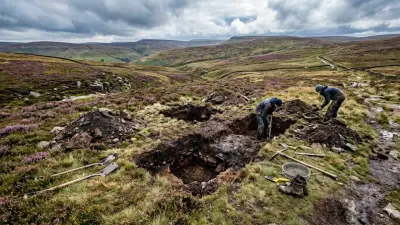
The way the weather has been heating up in the hills over the past couple of months, one might think they were still on the plains. Ooty recorded 27.6°C this May, exceeding seasonal averages. Yercaud reached 33°C in March and climbed even higher in May. Environmentalists warn that rising temperatures season after season, driven by global warming, erratic rainfall, and a massive tourist influx, are putting immense pressure on the fragile ecosystems of hill stations.
Climate Data Reveals Alarming Trends
According to aqi.in, a global air quality monitoring platform, over the past 16 years, Ooty’s temperature has increased by 20.6%, and the area has experienced notable climate changes. The current climate change severity in Ooty is very high, with a 34.3% worsening in the climate score compared to the past 16 years, suggesting deteriorating conditions with increasing negative impacts on weather patterns and environmental conditions.
Impact on Flora, Fauna, and Agriculture
V Geethalakshmi, former vice-chancellor of Tamil Nadu Agricultural University, explains, “Every year marks at least 0.1°C to 0.5°C rise in temperature, especially in equatorial regions, and we are just 8°C away from the equator. Rising temperatures can alter the seasonal conditions required for many plant and animal species to survive. Some flora and fauna require low temperatures. Excess heat can affect their survival and will also aggravate pest and disease cycles.” She adds that insects whose life cycle from egg to adult previously took about 10 days could now mature faster due to warmer temperatures. “Pests that had 12 breeding cycles in a year could now have 15 cycles, affecting vegetation and agriculture,” she says.

Vehicular Emissions and Traffic Congestion
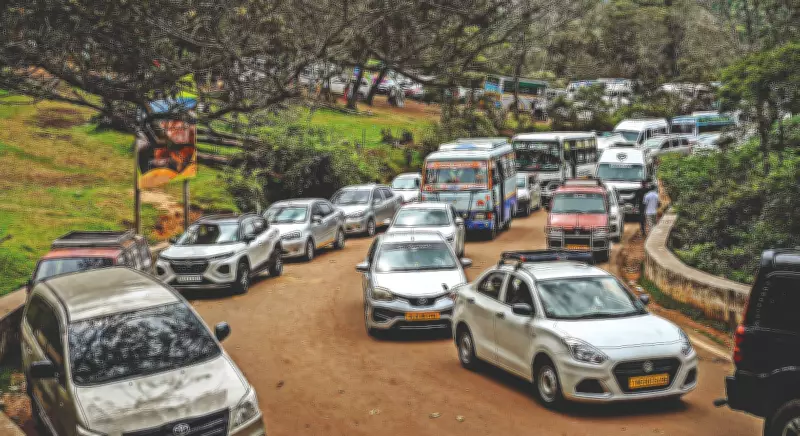
In Kodaikanal, long traffic snarls have become common. Dindigul collector S Saravanan held two meetings this summer and issued an advisory to the public to reduce vehicle use. Environmental engineer Prabhakaran Veeraarasu of Poovulagin Nanbargal notes that vehicular emissions in hill towns create a different kind of pollution. “Cold air in hill stations is denser, while vehicular emissions are lighter. This creates a trapping effect, leading to smog formation. People who come seeking fresh air end up inhaling polluted air,” he says.
While hill stations have introduced an e-pass system to regulate vehicle inflow, environmentalists say it is unchecked. Kodaikanal Taxi Association secretary Ganeshan P reports that a recently introduced QR code-based ticketing system for tourist spots has worsened congestion and pollution near attractions such as Pillar Rocks, Guna Caves, Pine Forest, and Moer Point. “Earlier, tickets were issued at counters near each attraction, making traffic manageable. But now ticket verification happens near the Green Valley View check post, and each vehicle takes 15 minutes to clear it. Vehicles pile up for nearly 5km,” he says, adding that taxi operators staged a protest on May 1 demanding changes to the system.
Proposed Solutions: Carpooling and Public Transport
Conservationist S Bharathidasan, founder of Coimbatore-based NGO Arulagam, suggests large-scale carpooling systems beginning at foothill towns and better public transport infrastructure. “Efficient and comfortable public transport, including CNG, LNG, and electric buses, should be introduced. Tourists prefer private vehicles because they can stop at scenic spots along the way. Public transport should offer similar flexibility. The government ought to consider incentives such as discounted hotel tariffs or attraction tickets for tourists using public transport,” he says.
Waste Management and Infrastructure Gaps
Another problem is the lack of public amenities such as toilets and drinking water facilities at several tourist locations, says Ganeshan. “You can see the way it is damaging the surroundings.” At Kodaikanal, reports show that about 25 tonnes of waste is generated every day, most of it by hospitality units, of which only a few are registered.

Erratic Rainfall and Ecological Fragility
Weather blogger R Pradeep John says the lack of summer rainfall in several hill stations has worsened the heat this year. “Usually, places such as Kodaikanal receive a good amount of summer rain. But till the end of April, there was little rainfall except in areas such as Valparai and Kanyakumari.” Ecologically sensitive hill regions such as Kodaikanal should be formally protected and development activities regulated, says Prabhakaran. “Kodaikanal is fragile and landslide-prone. In some places, even 9cm of rainfall in a single day can trigger landslides. More buildings and construction activities are adding to the degradation.”
Decentralized Tourism as a Way Forward
Ooty has reached a saturation state, says M Yuvaraj, regional manager of Tamil Nadu Tourism Development Corporation. “The government needs to explore more areas in Kotagiri or Gudalur, which are similar to Ooty, to divert crowds from here. In addition to carbon emissions, other problems such as water scarcity and waste management are also becoming a hazard. To address all these, a decentralized concept of tourism is a must.”