The serene valleys of Churah in Himachal Pradesh's Chamba district have become the epicenter of a growing environmental conflict. Local residents are raising their voices in strong opposition to the commercial extraction of Kashmal roots from the region's forests, a practice they fear will lead to ecological devastation and undermine their traditional rights.
Community Outcry Over Unchecked Harvesting
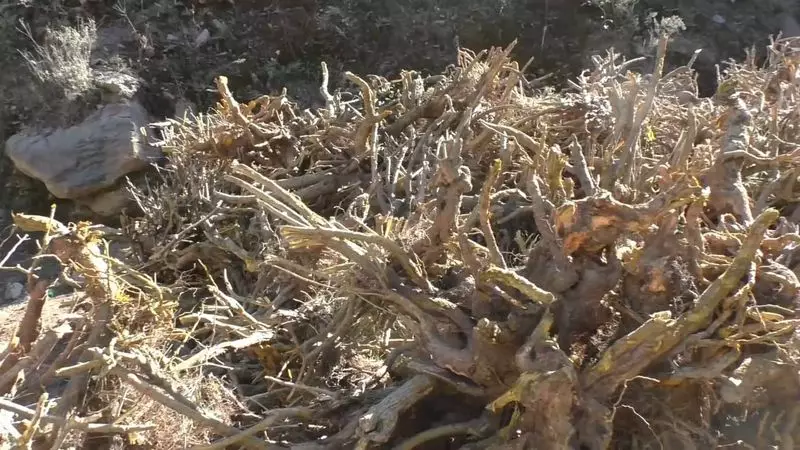
The protest movement gained formal momentum when a delegation from the Gram Panchayat of Kihar submitted a written complaint to the Churah Sub-Divisional Magistrate (SDM), Dr. Abhishek Kumar. The complaint, filed recently, highlights the severe anxiety gripping villagers. They report witnessing large-scale, indiscriminate digging for Kashmal roots, a medicinal plant known scientifically as Berberis aristata.
Villagers allege that this extraction is being carried out by outside contractors who have seemingly obtained permits or are operating without proper oversight. The primary fear is that the uprooting of this shrub is causing irreversible damage to the fragile Himalayan ecosystem. The roots are prized in traditional medicine and the herbal industry, driving demand that locals feel is unsustainable.

Threats to Biodiversity and Water Security
The concerns extend far beyond the loss of a single plant species. Residents argue that the reckless extraction is triggering a cascade of environmental problems. Soil erosion on hill slopes is a major immediate consequence, as the deep digging destabilizes the land. This, in turn, poses a significant threat to local water sources and natural springs, which are the lifeline for both communities and wildlife.
Furthermore, the practice is seen as a direct assault on the region's rich biodiversity. The Kashmal plant is part of a complex forest web, and its removal disrupts habitats and the ecological balance. Locals, who have coexisted with these forests for generations, are witnessing the degradation of their natural heritage and are deeply alarmed by the potential long-term consequences for flora and fauna.
A Stand for Rights and Sustainable Future
At its core, the protest is also about community rights and governance. The residents of Churah are demanding immediate and decisive action from the forest and administrative authorities. Their key demands include a complete halt to the extraction activity pending a thorough review and the strict enforcement of sustainable harvesting guidelines if any collection is to be permitted in the future.
They emphasize that the Forest Rights Act (FRA) and other laws empower local communities in the protection and management of forest resources. The current situation, where outsiders profit while locals bear the environmental cost, is seen as an injustice. The community's stance is clear: any use of forest resources must be ecologically sound and must prioritize the well-being and rights of the indigenous population.
The ball is now in the court of the administration. The complaint to SDM Dr. Abhishek Kumar is a formal test of the government's commitment to environmental protection and community welfare in the remote hills of Himachal Pradesh. The outcome will set a precedent for how similar conflicts between commercial interest and ecological preservation are resolved in the region.