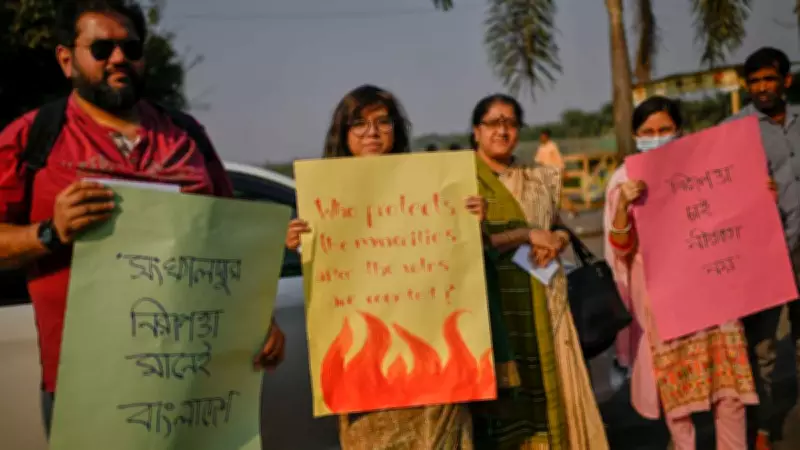
Hindu Man Found Dead with Hands and Legs Tied in Bangladesh on Eve of General Election
A shocking incident has unfolded in Bangladesh, where a Hindu man was found dead with his hands and legs tied, just on the eve of the country's general election. The discovery has sent shockwaves through the community, raising serious questions about religious tensions and security measures during this critical political period.
Details of the Tragic Discovery
The body of the Hindu man was discovered in a distressing state, with clear signs of his hands and legs being tightly bound. Authorities were alerted to the scene, and an investigation has been launched to determine the circumstances surrounding his death. The timing of this incident, occurring so close to the general election, has added a layer of complexity and urgency to the case.
Local reports indicate that the man was a member of the Hindu minority in Bangladesh, a community that has historically faced challenges in the predominantly Muslim nation. The discovery has sparked fears among minority groups about their safety and the potential for targeted violence during times of political upheaval.

Concerns Over Religious Tensions and Election Security
This tragic event has highlighted ongoing concerns about religious tensions in Bangladesh, particularly as the country prepares for a major electoral process. The general election is a pivotal moment for Bangladesh's democracy, and incidents like this can exacerbate existing divisions and fears among minority populations.
Security forces are under increased scrutiny to ensure the safety of all citizens, regardless of their religious background. The government has been called upon to take immediate action to investigate this death thoroughly and to prevent any further acts of violence or intimidation. Human rights organizations are also monitoring the situation closely, urging for transparency and justice in the handling of this case.
Broader Implications for Minority Rights
The death of the Hindu man in Bangladesh is not an isolated incident but part of a broader pattern of challenges faced by religious minorities in the region. It underscores the need for stronger protections and inclusive policies to safeguard the rights and lives of all citizens. As Bangladesh moves forward with its election, this event serves as a stark reminder of the importance of fostering unity and respect among diverse communities.
In response, community leaders and activists are advocating for greater dialogue and cooperation to address underlying issues of discrimination and violence. The hope is that this tragedy will prompt meaningful changes to ensure that such incidents do not recur, especially during sensitive political times like elections.