

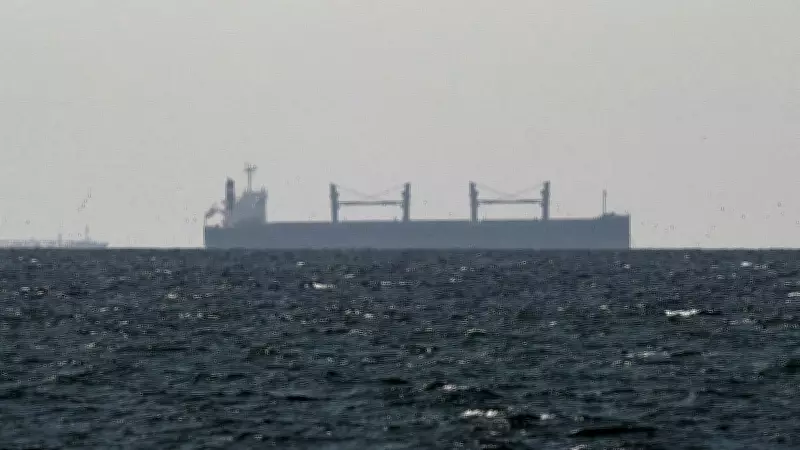
Shipping Traffic Through Hormuz Strait at Virtual Standstill Despite Ceasefire, Data Reveals
New maritime data indicates that shipping traffic through the strategically vital Strait of Hormuz has plummeted to a near-complete halt, averaging a mere 2 vessels per day, despite the announcement of a ceasefire in the region. This dramatic decline represents a staggering collapse in commercial maritime activity through one of the world's most crucial oil and trade chokepoints.
Pre-Conflict Traffic Levels Highlight Severity of Disruption
According to comprehensive market estimates and shipping analytics, this current trickle of traffic stands in stark contrast to the bustling pre-conflict norm. Before the escalation of tensions on February 28, the strait witnessed an average of 140 vessels sailing through its waters daily. This route is a lifeline for global energy supplies, with approximately one-fifth of the world's oil consumption passing through it.
The data underscores a profound and persistent disruption to international trade flows, suggesting that geopolitical instability continues to override formal ceasefire declarations. Shipping companies and insurers appear to be exercising extreme caution, prioritizing vessel safety over resumed transit schedules.

Analysis of the Ongoing Maritime Gridlock
The virtual standstill points to several critical factors:
- Persistent Security Concerns: Despite diplomatic efforts leading to a ceasefire, the perceived risk of maritime incidents, including seizures or attacks, remains unacceptably high for commercial operators.
- Insurance and Risk Premiums: War risk insurance premiums for vessels transiting the region have skyrocketed, making voyages financially unviable for many shipping firms.
- Operational Rerouting: Major shipping lines have enacted long-term contingency plans, rerouting vessels around the Cape of Good Hope, which adds significant time and cost to global supply chains.
- Chilling Effect on Trade: The disruption has a cascading effect on global markets, impacting energy prices and the delivery timelines for a wide range of goods.
This sustained paralysis in the Strait of Hormuz highlights the fragile nature of global maritime trade and the long shadow cast by regional conflicts. The gap between a political ceasefire and the restoration of commercial confidence on the water appears vast, with data showing no immediate rebound in traffic. The international community continues to monitor the situation closely, as the economic ramifications of this choked artery extend far beyond the Middle East.






