From Industrial Disaster to Environmental Turning Point
On December 4, 1985, a catastrophic leak of fuming sulphuric acid gas, known as oleum, erupted from a fertilizer plant in Delhi's Karampura area. The toxic cloud enveloped surrounding neighborhoods, causing widespread illness and claiming one life. This industrial accident occurred exactly one year after the devastating Bhopal gas tragedy, putting India's industrial safety standards under intense scrutiny.
The oleum leak triggered a landmark environmental legal battle when lawyer MC Mehta filed a public interest litigation seeking the relocation of hazardous industries from Delhi. This case would eventually expand to address broader air quality concerns, leading to significant changes including industrial relocation and the transition of public transport to cleaner natural gas.
How Pollution Shaped Delhi's Physical Landscape
The aftermath of the oleum case fundamentally altered Delhi's urban fabric. Karampura, once a thriving industrial zone, has transformed into a commercial hub featuring car showrooms, factory outlets, and banquet halls. The former fertilizer plant site now hosts an upscale apartment complex, demonstrating how environmental concerns can drive urban redevelopment.

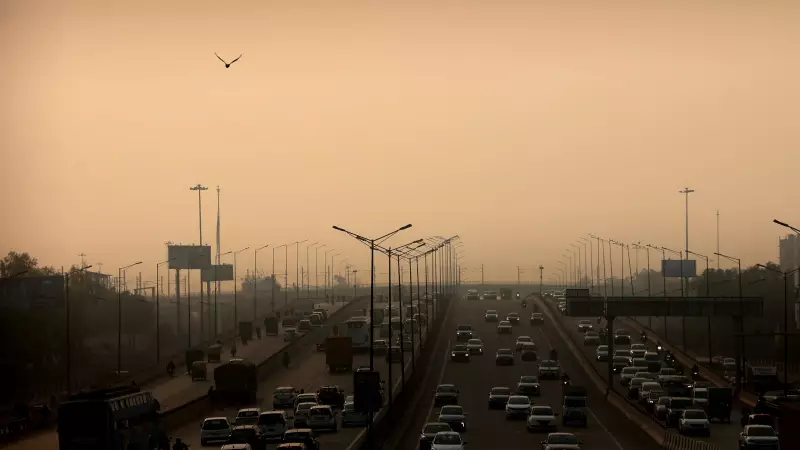
Major infrastructure projects emerged directly from air quality concerns. The CNG transition required building an extensive network of gas stations across the city. The 270-kilometer peripheral expressway, designed to divert through traffic away from Delhi, represents another massive air-related intervention that has spurred industrial growth and land speculation in peripheral areas.
Perhaps the most significant infrastructure response has been the Delhi Metro, whose original justification included reducing vehicular pollution through mass rapid transit. Currently, a similar transformation is underway with electric vehicles, accelerated by the PMO's directive to create the necessary charging infrastructure.
Governance and Social Response to Breathing Crisis
Air pollution has fundamentally reshaped urban governance in Delhi, with the judiciary playing an unusually proactive role. From the MC Mehta case to the Arjun Gopal case concerning firecracker bans, courts have consistently intervened in environmental matters. The creation of the Environment Pollution (Prevention and Control) Authority introduced technical expertise into judicial environmental oversight.
Seasonal governance changes now occur each winter as courts issue directives that various ministries must implement and enforce. Policy innovations include the odd-even vehicle scheme, subsidies for happy seeders to reduce stubble burning, and adjustments to school and office schedules during peak smog periods.
Beyond infrastructure and policy, toxic air has forged new social identities and solidarity. Leading pulmonologists report that Delhi's pollution is creating new patients as residents become acutely aware of their breathing. Many citizens have made air quality their life's work, collaborating across professions as scientists, activists, journalists, and entrepreneurs to push for solutions.
As environmental crises intensify globally, Delhi's four-decade journey since the oleum leak demonstrates how toxic air shapes urban forms, policies, and social norms. The critical question remains whether these changes will create a more accessible and democratic city for all residents in the collective pursuit of breathable air and humane urban living.