

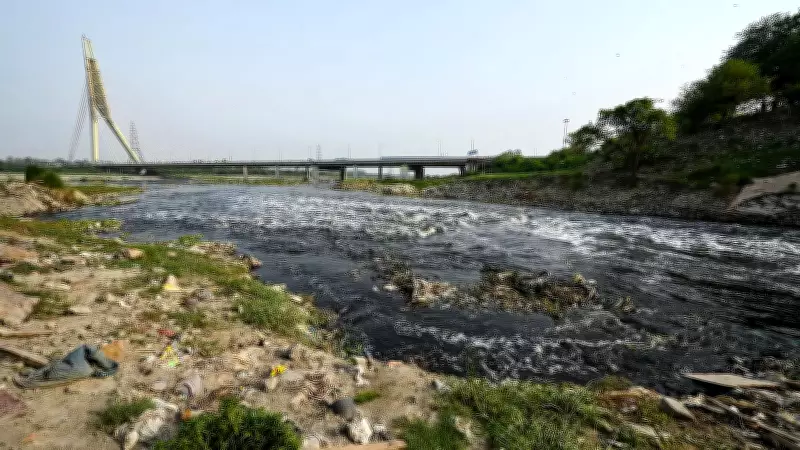
Every time you flush a toilet in Delhi, the waste does not simply disappear. It embarks on a journey that often ends in the Yamuna River, contributing to its severe pollution. Despite decades of efforts and billions of rupees spent, the river remains one of the most polluted in the world.
The Journey of Flushed Waste
When you flush, the waste enters the city's sewerage system. Ideally, it should reach a sewage treatment plant (STP) where it is treated before being released into rivers. However, Delhi's sewer network is inadequate and aging. According to official data, the city generates around 3.8 billion liters of sewage daily, but its STPs have a capacity to treat only about 2.5 billion liters. The gap of 1.3 billion liters flows untreated into the Yamuna.
Why Does This Happen?
Several factors contribute to the problem. First, rapid urbanization has outpaced infrastructure development. Many unauthorized colonies and slums lack proper sewer connections, forcing residents to discharge waste directly into drains that empty into the river. Second, even connected households often face issues like broken pipes or blockages that lead to leaks. Third, the existing STPs are outdated and poorly maintained, with many operating below capacity.

Impact on the Yamuna
The untreated sewage carries high levels of organic matter, pathogens, and nutrients like nitrogen and phosphorus. This leads to eutrophication, where algal blooms deplete oxygen, killing aquatic life. The river's biochemical oxygen demand (BOD) levels are alarmingly high, indicating severe pollution. The Yamuna in Delhi is essentially a dead river, with only hardy species like carp surviving.
Health and Environmental Consequences
The pollution poses serious health risks. People living along the riverbank are exposed to waterborne diseases like cholera, typhoid, and hepatitis. The river water is unfit for drinking or bathing, yet many communities rely on it for daily needs. The toxic sludge also contaminates groundwater, affecting a wider population.
Government Efforts and Challenges
The Yamuna Action Plan (YAP) launched in 1993 aimed to clean the river, but results have been limited. The plan focused on building STPs and intercepting drains, but gaps in implementation persist. Recent audits have highlighted poor maintenance, lack of skilled staff, and insufficient funds. The Delhi Jal Board (DJB) has been criticized for its inability to enforce regulations and upgrade infrastructure.
What Can Be Done?
Experts suggest a multi-pronged approach. First, expanding and upgrading the sewer network and STPs is crucial. Second, enforcing strict penalties for illegal dumping and ensuring compliance. Third, promoting decentralized treatment systems in areas without sewer connections. Fourth, increasing public awareness about the impact of flushing waste and encouraging responsible disposal of non-biodegradable items like wipes and plastics that clog systems.
The problem is not unique to Delhi; many Indian cities face similar challenges. However, the Yamuna's plight is a stark reminder of the consequences of neglecting water bodies. Every flush connects us to the river, and until we treat our waste properly, the Yamuna will remain a toxic drain.






