

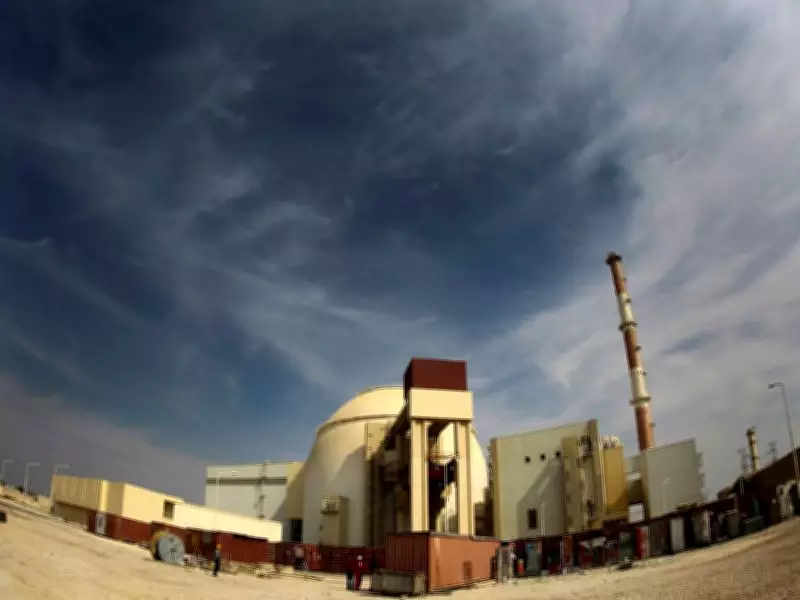
IAEA Urges Maximum Restraint Following Reported Projectile Incident at Iran's Bushehr Nuclear Plant
The International Atomic Energy Agency (IAEA) has issued a call for restraint after receiving information from Iran regarding a projectile striking the premises of the Bushehr Nuclear Power Plant. According to official statements from Tehran, the incident occurred recently, with no reported damage to the nuclear facility itself and no injuries to personnel. The IAEA confirmed that the plant is operating under normal conditions, but emphasized the need for caution to prevent any potential nuclear safety risks amidst ongoing regional conflicts.
Details of the Incident and IAEA Response
In a post on the social media platform X, the IAEA disclosed that Iran had notified the agency about the projectile impact. The statement highlighted that, based on Iranian reports, there was no structural harm to the nuclear power plant (NPP) and staff remained unharmed. IAEA Director General Rafael Mariano Grossi reiterated his appeal for maximum restraint, stressing the importance of avoiding actions that could compromise nuclear safety during times of heightened tension. This incident underscores the delicate balance between military activities and the safeguarding of critical infrastructure like nuclear facilities.
Regional Context and Related Developments
The reported projectile hit at Bushehr coincides with other significant events in the Middle East, adding to the complex geopolitical landscape. In Kuwait, authorities announced that drones targeted a fuel tank at Kuwait International Airport, resulting in a fire. Spokesperson Abdullah al-Rajhi, as quoted by Al Jazeera, indicated that preliminary assessments suggest the damage was confined to property, with no human casualties. Emergency procedures were swiftly implemented, with fire brigades and relevant agencies actively managing the blaze.

Meanwhile, global leaders have weighed in on the broader regional dynamics. US President Donald Trump, during a swearing-in ceremony, asserted that the United States has achieved victory in the conflict, claiming that Iran's naval and air capabilities have been severely degraded. He mentioned ongoing negotiations, suggesting a willingness for diplomatic engagement. Additionally, Israeli military spokesman Brigadier General Effie Defrin stated that Israel's military operations in Iran and Lebanon would proceed according to plan, irrespective of peace talks, as reported by Al Jazeera.
International Reactions and Diplomatic Stances
The Canadian government has expressed strong condemnation of Israel's plans to occupy territory in southern Lebanon, emphasizing the need to respect Lebanon's sovereignty and territorial integrity. However, it also called for the disarmament of Hezbollah, reflecting the nuanced positions held by international actors in the region. These developments highlight the interconnected nature of conflicts and the critical role of diplomatic efforts in mitigating risks, particularly concerning nuclear safety and regional stability.
As tensions persist, the IAEA's call for restraint serves as a crucial reminder of the potential consequences of escalating hostilities near sensitive nuclear sites. The agency continues to monitor the situation closely, advocating for measures that prioritize safety and prevent further incidents that could threaten global security.






