

Iceland's Iconic Black Beach Undergoes Dramatic Transformation
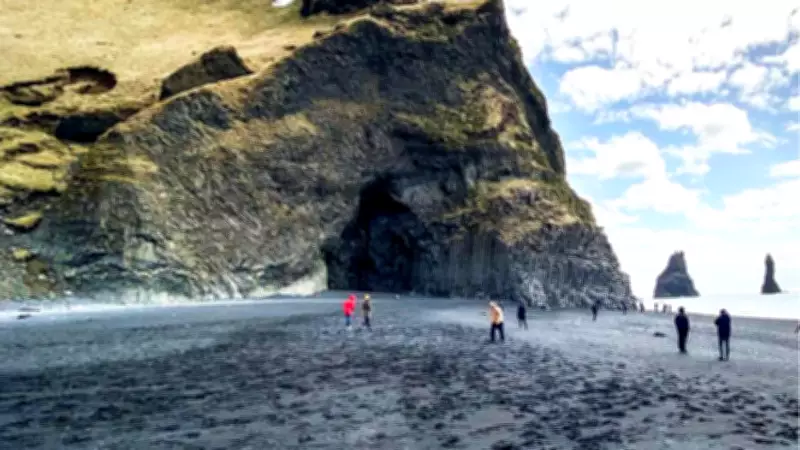
Reynisfjara, one of Iceland's most iconic natural landmarks, has long captivated tourists from around the globe with its otherworldly beauty. However, this famous destination is now drawing intense attention from residents, scientists, and visitors for a different reason. Recent observations reveal a significant and rapid alteration to the shoreline, fundamentally changing both the appearance and accessibility of the renowned Black Beach.
Unprecedented Coastal Erosion Reshapes the Landscape
According to reports from Arctic Portal.org, powerful ocean forces over recent weeks have triggered extensive coastal erosion along Reynisfjara. This process has dramatically shifted the shoreline, with the ocean retreating inland by tens of meters in certain areas. The beach's signature basalt columns, celebrated for their geometric, honeycomb appearance, have been directly impacted by these changes.
Under relentless wave action, sand and sediment have been transported to such an extent that parts of these formations now extend further into the surf than before. The rock base, once protected by many feet of black sand, is now exposed and vulnerable. Local observers note that the sand which normally buffers the bases of the rock formations has been eroding and failing, allowing waves to pound more directly against the columns.

Visual Changes and Safety Implications
The visual transformation has been striking. Areas where visitors once enjoyed wide expanses of sand are now significantly narrower, and some sections are no longer considered safe for beach access. The altered shoreline profile has brought some walking paths and beach access points closer to the waterline, raising immediate safety concerns.
Reynisfjara has always been celebrated for its breathtaking beauty while being respected for its inherent risks. Sudden "sneaker waves" have caused accidents in the past, prompting authorities to install warning systems and designated viewing platforms. With the current changes, previously accessible areas are now deemed unsafe, and local authorities are actively monitoring the situation.
Weather Patterns Accelerating Natural Processes
Experts on coastal change attribute this shift partly to a prolonged period of strong easterly winds accompanied by high wave conditions earlier this winter. The relentless pounding of heavy surf along Iceland's South Coast has accelerated sediment movement and magnified the region's typical erosion patterns.
While coastal erosion is a natural fact of life for Iceland's shores—formed over millennia by volcanic activity and the unforgiving force of the North Atlantic—the recent patterns and extent of erosion affecting such visible cliffs appear unusually rapid and extensive.
The Geological Significance of Reynisfjara
Reynisfjara is globally renowned for its jet-black volcanic sands, soaring basalt columns, and the offshore sea stacks known as Reynisdrangar. Together, these elements create one of Iceland's most photographed landscapes. The beach forms part of the Katla UNESCO Global Geopark, internationally recognized for its geological formations and glaciated landscape shaped by both volcanic activity and glaciers.
This area serves as a living museum, offering remarkable insights into how fire and ice have sculpted Iceland's environment over thousands of years. The current changes provide a real-time demonstration of these dynamic geological processes.
Safety Precautions and Future Uncertainty
Local authorities and organizations continue to monitor the evolving situation closely. They remind visitors to stay on marked paths, follow all safety signs, and avoid approaching the cliff edge or old shoreline. Due to unpredictable surf and newly exposed rock faces, extreme caution is necessary during high tide and rough sea conditions.
Whether the sand will eventually return and the shoreline recover remains uncertain. Coastal systems are inherently dynamic, and beaches can replenish themselves over time, though no one can predict when this might occur. Travelers planning to visit Iceland's Black Beach in the coming weeks may encounter a landscape significantly different from the one typically depicted in postcards and travel guides.






