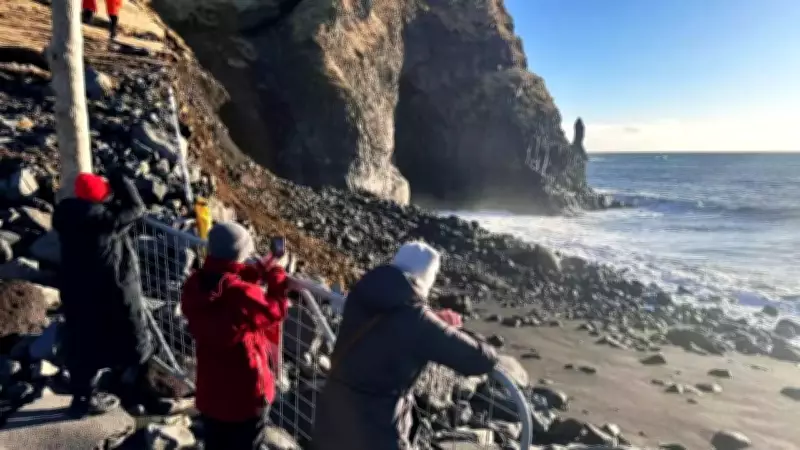
Iceland's Iconic Black Sand Beach Faces Rapid Erosion Crisis
For generations, Reynisfjara Beach has captivated visitors with its otherworldly beauty. The stark contrast of charcoal-black volcanic sand against towering basalt columns and the relentless pounding of Atlantic waves created a landscape that seemed almost too dramatic to be real. This iconic destination, long celebrated in travel photography and Icelandic tourism, has always carried an air of permanence—a geological masterpiece frozen in time.
Dramatic Transformation in Weeks
However, recent reports from Iceland reveal a startling transformation. In a matter of weeks, extensive sections of the beach's famous black sand have vanished, swept away by powerful ocean currents into the North Atlantic. According to Arcticportal.org, what was once a wide, dramatic shoreline has been reduced to a narrow strip in many areas. The environmental change is being described by experts as "extensive erosion" that has dramatically altered both the appearance and accessibility of this natural wonder.
Local observers note that the towering basalt columns—formed by ancient volcanic activity—which previously stood well above the sand, now appear to rise almost directly from the sea. These distinctive hexagonal formations, once easily reachable on foot, have become much closer to the dangerous crashing surf, potentially adding to the beach's existing hazards.

Unusual Weather Patterns Blamed
Coastal engineers and environmental experts near Reynisfjara Beach are pointing to unusual winter wind patterns as the primary cause of this rapid erosion. Sigurður Sigurðarson, a coastal engineer with the Icelandic Road Administration, explained to Icelandic media that easterly winds have dominated this winter—a significant departure from the norm.
Typically, southwesterly winds push sand eastward along Iceland's southern coastline in a natural replenishment process. This winter, however, the pattern has reversed, with easterly winds reportedly pushing sand westward instead. When this westward-moving sand encounters Reynisfjall mountain—which juts far into the sea—it hits this natural barrier and stops accumulating. Consequently, Reynisfjara Beach receives no fresh sand from the east under these conditions, causing the shoreline to shrink dramatically.
Safety Concerns Amplified
This erosion crisis adds another layer of risk to a beach already known for its dangers. Visit Iceland has long described Reynisfjara as one of the country's most hazardous destinations due to "sneaker waves"—sudden, powerful surges that can sweep unsuspecting visitors into the sea. Tragically, several people have died at the beach over the years, including one as recently as summer 2025.
With the sand disappearing and the waterline moving closer to the basalt columns and cliffs, the margin for safety has potentially narrowed further. The combination of powerful waves, changing topography, and reduced beach area creates a more hazardous environment for visitors.
Uncertain Future
Experts remain uncertain whether the lost sand will return to Reynisfjara Beach. The recovery depends entirely on future wind directions and wave patterns returning to their typical southwesterly flow. If the unusual easterly winds persist, the erosion could continue or become permanent, fundamentally changing one of Iceland's most photographed landscapes.
This situation highlights the vulnerability of even the most seemingly permanent natural landmarks to environmental changes. As climate patterns shift and extreme weather events become more frequent, iconic destinations like Reynisfjara Beach may face increasing threats from coastal erosion and changing weather systems.
The rapid transformation of Reynisfjara serves as a stark reminder of nature's power to reshape landscapes quickly and dramatically. What was once considered a stable geological feature has proven susceptible to environmental forces, raising questions about how other coastal landmarks might fare in changing climate conditions.