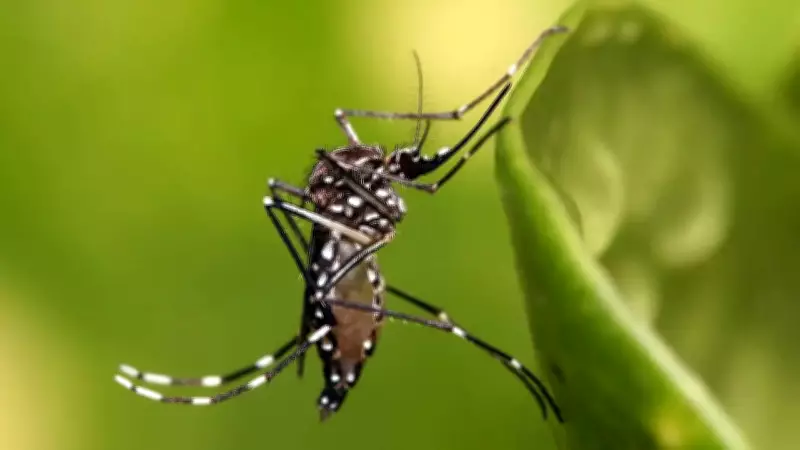
Iceland's Mosquito-Free Status Under Threat as Climate Change Alters Ecosystem
Iceland has long been celebrated for its breathtaking landscapes, featuring majestic glaciers, dramatic volcanic formations, and rugged terrains. However, one of its most unique distinctions has been far less visible to the naked eye. For decades, Iceland stood out globally as the sole country without an established native mosquito population. While mosquitoes thrive in nearly every other corner of the world, Iceland's distinctive environment historically made survival nearly impossible for these insects. This absence was not due to human intervention but stemmed from the nation's specific geographical and climatic conditions, which disrupted the mosquito life cycle. Scientific studies have extensively explored this phenomenon to understand why certain environments naturally resist particular species. Yet, recent observations suggest that this long-standing fact may be changing, signaling a significant ecological shift.
Why Iceland Historically Had No Mosquitoes
Unlike many regions worldwide, Iceland has not provided a conducive habitat for mosquitoes. According to insights from the Centers for Disease Control and Prevention (CDC), mosquitoes require stable water and temperature conditions to complete their growth cycle. Iceland's climate, characterized by rapid temperature fluctuations between freezing and thawing, especially during transitional seasons, creates an unstable environment. These unpredictable temperature swings hinder mosquito development in water, as they need consistent warmth to mature effectively.
Additionally, Iceland experiences a notably short summer season, which limits the time available for mosquitoes to grow and reproduce in sufficient numbers to establish a sustainable population. This seasonal constraint has been a critical factor in preventing long-term mosquito survival on the island.

The Role of Climate and Geography
Iceland's physical isolation has played a pivotal role in its mosquito-free status. Surrounded by vast ocean waters, the island presents a natural barrier that makes it difficult for mosquitoes to reach its shores. Even when mosquitoes are inadvertently introduced through human activities, such as travel or trade, they have historically failed to survive due to the harsh local conditions.
The country's unique geological features further contribute to this absence. Iceland's volcanic soil promotes rapid water drainage, creating an environment where standing water—essential for mosquito breeding—is scarce. Since mosquitoes thrive in aquatic habitats, the lack of persistent water sources has been a decisive factor in their inability to colonize the region.
Why Mosquito Life Cycles Fail in Iceland
Mosquitoes depend on a stable environment to complete their reproductive cycle, but Iceland's conditions are inherently disruptive. The combination of temperature variability, limited breeding windows, and inadequate water availability collectively impedes the entire life cycle of these insects. For instance, mosquito larvae struggle to develop fully due to the frequent temperature changes, and even if eggs hatch, the brief breeding season often prevents them from reaching maturity and reproducing successfully.
Recent Discoveries and Changing Conditions
Recent findings have challenged the long-held belief that mosquitoes are absent from Iceland. The Natural Science Institute of Iceland reported the first identification of mosquitoes in the country, marking a notable ecological development. These discoveries indicate that certain mosquito species are adapting to colder climates, potentially facilitated by rising global temperatures that make Icelandic environments more hospitable. While it remains uncertain whether a viable mosquito population will become established, this shift underscores the dynamic nature of ecosystems in response to climatic changes.

What Research Says About Climate Change
Climate studies highlight that increasing temperatures are expanding the habitats of various species, including mosquitoes. In Iceland and other Arctic regions, environmental transformations are becoming more apparent. Even minor temperature rises can significantly extend the breeding season for mosquitoes, allowing them to exploit previously inhospitable areas. This trend reflects broader patterns of species migration and adaptation driven by global warming.
Why This Matters for Science and Ecology
The case of Iceland has been invaluable for scientists studying how environmental conditions influence species distribution. It demonstrated that natural barriers, such as climate and geography, could effectively prevent certain species from settling in specific areas. Now, as conditions in Iceland evolve, this scenario serves as a compelling example of how ecosystems respond to climate change. The potential establishment of mosquitoes in Iceland illustrates that even remote locations are not immune to global environmental shifts.
More importantly, this development serves as a stark reminder that even the most stable ecosystems can undergo profound changes under the influence of global climate change. It emphasizes the need for continued monitoring and research to understand and mitigate the impacts of these transformations on biodiversity and human health.