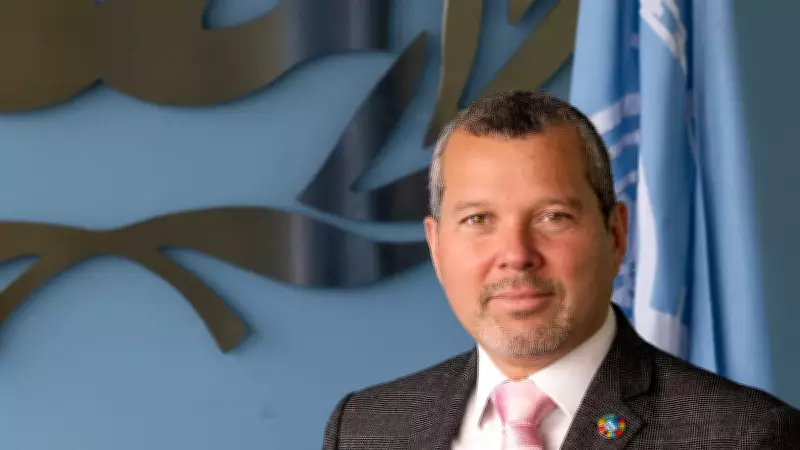
IMO Chief Declares Naval Escorts Cannot Guarantee Safe Passage Through Strait of Hormuz
The head of the International Maritime Organization has issued a stark warning that naval escorts will not guarantee safe passage for vessels navigating the critical Strait of Hormuz. This statement comes as the ongoing Middle East conflict continues to disrupt global shipping routes and endanger seafarers operating in one of the world's most vital maritime chokepoints.
Extraordinary IMO Council Session Convened in London
In response to the escalating regional tensions, the IMO Council will convene for an Extraordinary Session this Wednesday and Thursday at its London headquarters. The urgent meeting has been specifically called to address the severe impacts on international shipping and the safety of seafarers resulting from the persistent conflict in the Middle East. The session aims to develop coordinated strategies and emergency protocols to mitigate risks in the volatile waters.
Strategic Importance of the Strait of Hormuz
The Strait of Hormuz represents one of the most strategically significant maritime passages globally, serving as a crucial conduit for approximately one-fifth of the world's oil supply. The narrow waterway connects the Persian Gulf with the Gulf of Oman and the Arabian Sea, making it indispensable for energy exports from major oil-producing nations in the region. Any disruption to transit through this channel has immediate repercussions for global energy markets and supply chains.

The IMO chief's warning underscores the limitations of military escorts in ensuring complete security, particularly in an environment where asymmetric threats and regional hostilities create complex challenges for maritime protection forces. While naval presence can deter some threats, the dynamic nature of the conflict zone means absolute safety cannot be assured through escort operations alone.
Broader Implications for Global Shipping
The ongoing Middle East conflict has already caused significant disruptions to shipping patterns, with many vessels rerouting to avoid high-risk areas, resulting in increased transit times and operational costs. Insurance premiums for ships passing through the region have skyrocketed, adding substantial financial burdens to shipping companies already grappling with global economic pressures.
The extraordinary IMO session will likely focus on several critical areas:
- Enhanced coordination between naval forces and commercial shipping
- Development of standardized safety protocols for vessels transiting conflict zones
- Improved communication systems for real-time threat assessment
- Support mechanisms for seafarers facing heightened risks
- Diplomatic efforts to secure maritime corridors through international cooperation
The maritime industry faces unprecedented challenges as geopolitical tensions intersect with essential trade routes. The IMO's proactive approach in convening this emergency meeting reflects the growing recognition that traditional security measures may be insufficient in the current complex threat environment. The outcomes of this session could shape international maritime policy for years to come as stakeholders seek sustainable solutions to protect global shipping interests amid ongoing regional instability.