

India Withdraws Bid to Host COP 2028 Climate Summit
In a significant development, the Government of India has officially withdrawn its plan to host the COP 2028 climate summit. This decision, announced recently, marks a shift in the country's international environmental engagement, with officials citing logistical challenges and financial considerations as primary reasons for the withdrawal. The move has sparked widespread discussion and criticism, particularly from political opponents.
Reasons Behind the Withdrawal
According to government sources, the decision to drop the hosting plan was driven by several key factors. Logistical complexities, including the need for extensive infrastructure and security arrangements for a global event of this scale, were highlighted as major hurdles. Additionally, financial constraints played a crucial role, with estimates suggesting that hosting COP 2028 would require substantial investments that could strain national resources. The government emphasized that this step does not reflect a diminished commitment to climate action but rather a strategic prioritization of domestic environmental initiatives.
Congress Party's Criticism
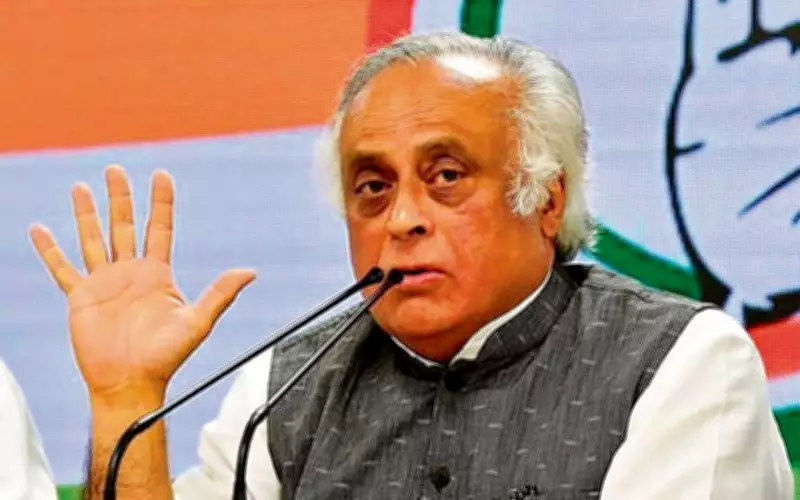
The withdrawal has drawn sharp criticism from the Congress party, which has questioned the central government's overall climate policy. Congress leaders have accused the administration of lacking a coherent and proactive approach to environmental issues, arguing that backing out from hosting COP 2028 undermines India's leadership role in global climate negotiations. In a statement, a senior Congress spokesperson said, "This decision raises serious doubts about the government's dedication to combating climate change and its ability to fulfill international commitments." The party has called for greater transparency and a more robust climate strategy from the government.

Implications for India's Climate Stance
India's withdrawal from hosting COP 2028 could have broader implications for its position in international climate diplomacy. As one of the world's largest emitters and a key player in climate talks, India's decision may be perceived by some as a step back from its previous advocacy for stronger global action. However, government officials have reassured that India remains committed to its Nationally Determined Contributions (NDCs) under the Paris Agreement and will continue to participate actively in COP meetings. The focus, they say, will now shift to implementing domestic policies aimed at reducing carbon emissions and promoting renewable energy.
Political and Public Reaction
The issue has quickly become a point of political contention, with debates intensifying over the government's environmental priorities. Environmental activists and experts have expressed mixed reactions; some support the pragmatic decision given resource constraints, while others worry it signals a lack of ambition. Public discourse is also growing, with many citizens calling for clearer communication on how India plans to address climate challenges without hosting the summit. This development underscores the ongoing tension between international commitments and domestic realities in climate policy-making.
In summary, India's withdrawal from hosting COP 2028 highlights the complexities of balancing global environmental leadership with practical considerations, while sparking a heated political debate over the nation's climate future.






