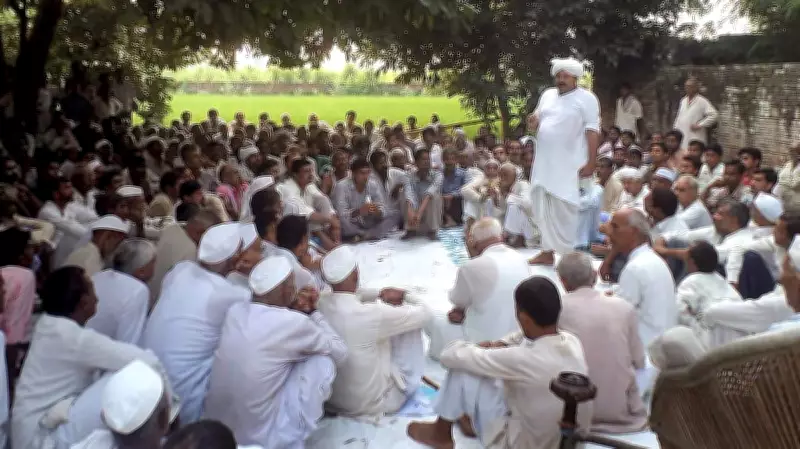
India's First Net-Zero Panchayat Model Showcased at Mumbai Climate Week
In a landmark event at Mumbai Climate Week, India's first net-zero Panchayat model from Bela Gram was prominently showcased, highlighting innovative grassroots efforts to combat climate change. The initiative underscores the critical role of local governance in driving sustainable development and environmental resilience across rural communities.
Sarpanch Sharada Gaydhane on Climate Action
Sharada Gaydhane, the Sarpanch of Bela Gram, emphasized the tangible impacts of climate change on daily life. 'Climate change can be felt in the water we fetch, the food we grow, and the air we breathe. It affects our health, and that is my responsibility to do what’s best for my village,' she stated. Her leadership has been instrumental in transforming Bela Gram into a model of sustainability, focusing on renewable energy, waste management, and water conservation.
Key Features of the Bela Gram Model
The net-zero Panchayat model incorporates several innovative strategies to achieve carbon neutrality and enhance community well-being:

- Renewable Energy Integration: Implementation of solar panels and biogas plants to reduce reliance on fossil fuels.
- Sustainable Agriculture: Promotion of organic farming and water-efficient irrigation techniques to ensure food security.
- Waste Management Systems: Establishment of composting units and recycling initiatives to minimize environmental pollution.
- Community Engagement: Active participation of villagers in decision-making processes and awareness campaigns on climate issues.
Implications for National Climate Goals
This showcase at Mumbai Climate Week, held on February 19, 2026, aligns with India's broader commitments to climate action under international agreements. By demonstrating a scalable model at the Panchayat level, Bela Gram sets a precedent for other rural areas to adopt similar practices, potentially accelerating progress towards national net-zero targets.
Experts at the event praised the initiative for its holistic approach, noting that it addresses both mitigation and adaptation aspects of climate change. The model not only reduces carbon emissions but also builds resilience against climate-related risks such as water scarcity and crop failures.
Future Prospects and Challenges
While Bela Gram's success is commendable, replicating this model across India's diverse Panchayats presents challenges, including funding constraints, technological access, and varying local conditions. However, the showcase has sparked discussions on policy support and partnerships to overcome these hurdles, with potential for government schemes and private sector collaboration to scale up such initiatives.
As climate change continues to pose threats to rural livelihoods, the Bela Gram model offers a beacon of hope, proving that community-led action can drive meaningful environmental change. The event concluded with calls for increased investment in grassroots sustainability projects to ensure a greener future for all.