

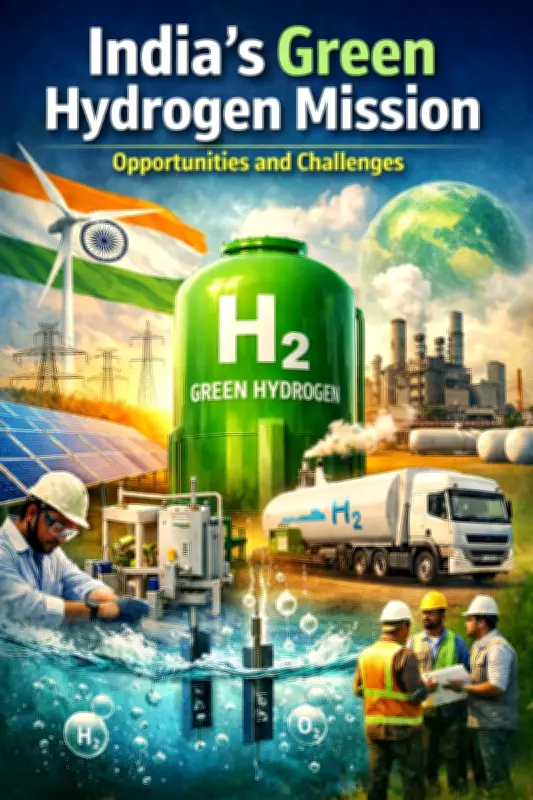
India's Ambitious Green Hydrogen Mission: A Strategic Energy Shift
India has launched the National Green Hydrogen Mission with a bold vision to transform its energy landscape, targeting the production of 5 million metric tons of green hydrogen annually by 2030. This initiative is a cornerstone of the country's strategy to reduce carbon emissions and enhance energy security, aligning with global climate goals. The mission not only aims to curb fossil fuel dependence but also positions India as a potential leader in the emerging green hydrogen economy, fostering innovation and job creation in the renewable energy sector.
Unlocking Economic and Environmental Opportunities
The mission presents significant opportunities for economic growth and environmental sustainability. By leveraging India's abundant renewable resources, such as solar and wind power, green hydrogen production can drive down costs over time, making it a competitive alternative to conventional fuels. Key sectors like transportation, industry, and power generation stand to benefit, with potential applications in fuel cells, ammonia production, and steel manufacturing. This shift could attract substantial investments, estimated in the billions, and create thousands of skilled jobs, boosting the nation's GDP while reducing air pollution and greenhouse gas emissions.
Moreover, the mission enhances India's energy independence by reducing reliance on imported fossil fuels, which currently account for a large portion of the energy mix. By developing domestic green hydrogen capabilities, India can secure a stable and sustainable energy supply, mitigating geopolitical risks associated with oil and gas imports. The initiative also supports the government's broader goals under the Paris Agreement, contributing to a cleaner and more resilient economy.

Implementation Challenges and Strategic Hurdles
Despite its promise, the Green Hydrogen Mission faces several implementation challenges that could hinder progress. High production costs remain a major barrier, with green hydrogen currently more expensive than grey hydrogen derived from natural gas. Scaling up infrastructure, such as electrolyzers and storage facilities, requires significant capital investment and technological advancements. Additionally, the intermittent nature of renewable energy sources poses reliability issues for continuous hydrogen production, necessitating innovations in energy storage and grid integration.
Other hurdles include regulatory complexities, such as the need for clear policies on subsidies, tariffs, and safety standards. The lack of a robust supply chain for critical components, like catalysts and membranes, further complicates deployment. Public awareness and acceptance are also crucial, as stakeholders must be educated about the benefits and risks of green hydrogen technologies. Addressing these challenges will require coordinated efforts between government, industry, and research institutions to develop cost-effective solutions and foster a supportive ecosystem.
The Road Ahead: Strategies for Success
To navigate these challenges, India must adopt a multi-pronged approach. Investing in research and development is essential to drive down costs and improve efficiency, with a focus on advancing electrolysis technologies and renewable energy integration. Public-private partnerships can accelerate deployment by pooling resources and expertise, while international collaborations can facilitate knowledge transfer and access to global markets.
Policy support will be critical, including incentives like tax breaks, grants, and low-interest loans to encourage private sector participation. Developing pilot projects and demonstration zones can showcase the viability of green hydrogen, building confidence among investors and consumers. Furthermore, integrating green hydrogen into existing energy frameworks, such as the National Hydrogen Energy Mission, can ensure alignment with broader energy and climate objectives.

In the long term, India's success in this mission will depend on sustained commitment and adaptive strategies. By addressing cost, infrastructure, and regulatory issues proactively, the country can unlock the full potential of green hydrogen, paving the way for a sustainable energy future. This journey not only promises environmental benefits but also positions India as a key player in the global transition to clean energy, driving economic prosperity and energy security for generations to come.





