

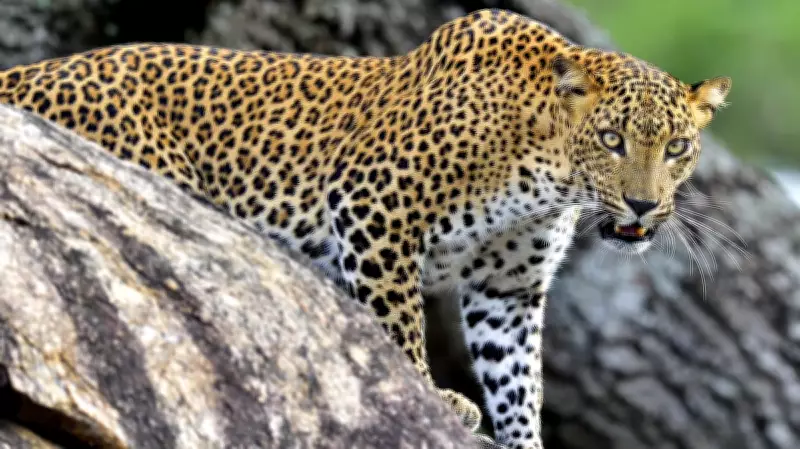
When the Leopards Divide Us: A Call for Genuine Conservation Action
In a thought-provoking opinion piece, conservationist Sanjay Gubbi highlights the urgent need for India to move beyond mere optics and commit to substantive interventions that address the fundamental causes of conflict between humans and leopards. As these majestic predators increasingly share spaces with human populations, the nation faces a critical juncture in balancing wildlife preservation with community safety.
The Superficial Nature of Current Approaches
Gubbi critiques the prevailing tendency to implement short-term, visible measures that fail to tackle the underlying issues driving leopard-human encounters. He emphasizes that such approaches often prioritize political or media-friendly gestures over long-term ecological and social sustainability. This results in a cycle of temporary relief followed by renewed conflict, undermining both conservation goals and public trust.
Root Causes of Conflict: A Multifaceted Challenge
The article delves into the complex factors contributing to these clashes, which extend beyond simple habitat encroachment. Key drivers include:

- Habitat Fragmentation: Rapid urbanization and infrastructure development have severely disrupted leopard territories, forcing them into closer proximity with human settlements.
- Prey Depletion: Declines in natural prey populations due to overhunting or habitat loss push leopards to seek alternative food sources, often livestock or pets.
- Inadequate Waste Management: Poor disposal of organic waste attracts smaller animals, which in turn draw leopards into residential areas.
- Lack of Community Engagement: Top-down conservation policies frequently exclude local communities from decision-making processes, fostering resentment and non-cooperation.
Proposing Sustainable Interventions
Gubbi advocates for a paradigm shift towards evidence-based strategies that prioritize coexistence. He calls for:
- Integrated Landscape Planning: Developing land-use policies that incorporate wildlife corridors and buffer zones to minimize direct interactions.
- Strengthening Prey Bases: Implementing programs to restore natural prey populations through habitat restoration and anti-poaching measures.
- Community-Led Initiatives: Empowering local residents with training in conflict mitigation, such as secure livestock enclosures and early warning systems.
- Policy Reforms: Enacting legislation that supports compensation schemes for livestock losses and incentivizes conservation-friendly practices.
The Path Forward: Reconciliation Through Action
Ultimately, Gubbi stresses that true reconciliation between conservation and coexistence demands a commitment to addressing these root causes with scientific rigor and community involvement. By moving beyond symbolic gestures and investing in holistic interventions, India can foster a future where leopards thrive in their natural habitats while human communities live safely and sustainably. This requires sustained political will, adequate funding, and collaborative efforts across government agencies, NGOs, and citizens.
The opinions expressed underscore the critical need for India to evolve its approach to wildlife management, ensuring that conservation efforts are both effective and equitable in the face of growing environmental challenges.






