

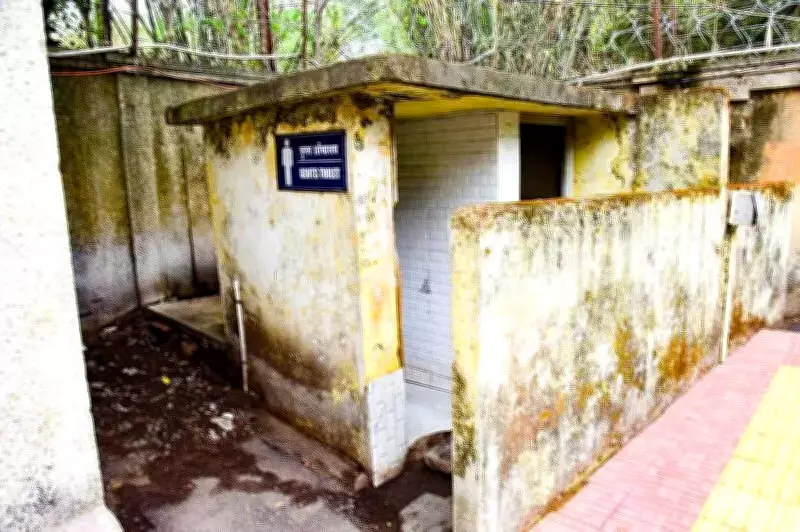
Nagpur's Public Sanitation Infrastructure Faces Severe Deficiencies, Court Hears
A new affidavit submitted to the Nagpur bench of the Bombay High Court on Friday has exposed critical shortcomings in the city's public sanitation infrastructure. The document highlights issues such as inadequate maintenance, poor accessibility, and significant gaps in coverage, despite the presence of existing facilities.
Joint Inspection Uncovers Widespread Problems
Filed by petitioner-lawyer Sundeep Badana in an ongoing public interest litigation, the affidavit details findings from a joint inspection conducted on March 27, following a court order issued on March 11. The inspection, which included officials from the Nagpur Municipal Corporation, Sulabh International, and the petitioner, examined eight public toilets at key locations across the city.
The affidavit identifies multiple deficiencies in both accessibility and functionality. Notably, while provisions for persons with disabilities exist, there is a complete absence of signage to identify these facilities. Additionally, sanitary pad vending machines were found to be non-functional at several locations, including Cotton Market and Mayo Hospital.

Disparities in Maintenance and Coverage Gaps
The report further emphasizes stark disparities in maintenance across different municipal departments. Pay-and-use toilets managed by the Slum Department were relatively clean, in contrast to facilities under the Solid Waste Management Department, which were described as being in a "deplorable condition." Gaps in sanitation coverage were also identified, with areas such as Mankapur, Gorewada, Gittikhadan, Hazari Pahad, and Dabha lacking adequate or functional public toilets.
Administrative issues affecting facilities under the Solid Waste Management and Garden Departments remain unresolved, contributing to the overall poor state of sanitation infrastructure.
Petitioner Calls for Systemic Reforms
In response to these findings, the petitioner has urged the court to direct authorities to implement comprehensive measures for improvement. Key suggestions include displaying contact details of nodal officers, implementing GPS-based monitoring of cleaning schedules, and installing CCTV cameras outside toilets to prevent vandalism.
The affidavit also advocates for the mandatory use of QR codes to enable citizens to provide real-time feedback on sanitation services, aiming to enhance accountability and responsiveness.
Court Adjourns Hearing for Further Deliberation
The Nagpur bench, comprising Justices Anil Kilor and Raj Wakode, has adjourned the hearing until April 20. This pause allows for further consideration of the affidavit's revelations and the proposed reforms to address the infrastructure gaps and contract issues plaguing Nagpur's public sanitation system.






