

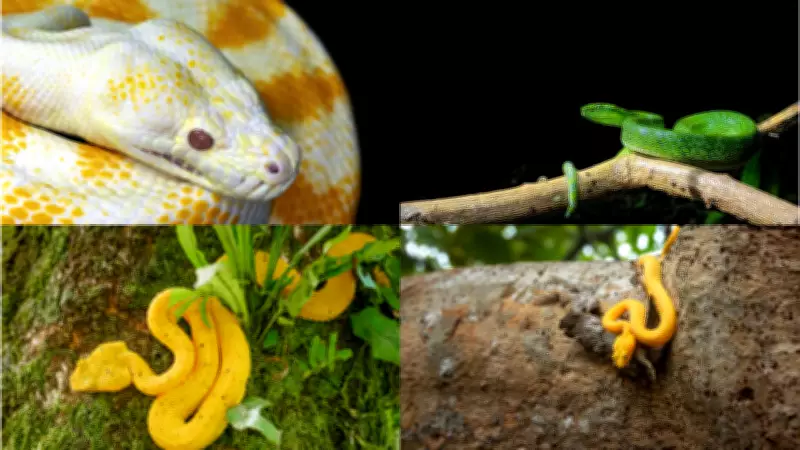
India's Snake-Infested Waters: 6 Unique Locations and Their Ecological Secrets
Beneath the tranquil surfaces of India's lakes, rivers, and streams lies a hidden world of slithering life. While often unseen, numerous water bodies across the country are teeming with semi-aquatic snakes, creating vital ecosystems that maintain ecological balance. These reptiles inhabit environments ranging from bustling urban drainage systems to remote, pristine natural habitats, demonstrating remarkable adaptability.
Scientists explain that snakes occupy a wide range of habitats, including cities, particularly where water bodies provide plentiful food sources. This photo story explores six distinctive locations in India where snakes thrive in aquatic environments, revealing why these areas support such diverse reptilian life and how these creatures contribute to their ecosystems.
1. Western Ghats Forest Streams, Karnataka
Hidden within the lush Western Ghats are countless cool, oxygenated streams that create ideal habitats for snakes. Shaded by dense foliage, these water bodies support abundant amphibian populations, which in turn become prey for various snake species. The Environmental Literacy Council notes that the Western Ghats are globally recognized for their extraordinary biodiversity, including numerous aquatic snakes. Visitors walking along these streams may unknowingly share the environment with these elusive swimmers.

2. Chilika Lake, Odisha
Asia's largest brackish water lagoon, Chilika Lake, represents a less-discussed but significant habitat for snakes. Research by the Zoological Survey of India indicates that this unique mix of fresh and salt water supports diverse aquatic life, including snakes adapted to this environment. The lake's quiet corners, especially areas rich in fish, provide perfect conditions for reptiles to thrive and hunt.
3. Yamuna Floodplains, Delhi
Even in India's capital city, snake-infested waters are not uncommon. The Yamuna floodplains, encompassing marshlands and drainage networks, host various snake species. A study published in Scientific Reports documented snakes inhabiting drain networks, rivers, and wetlands throughout Delhi. During monsoon seasons, snake sightings increase significantly, bringing these reptiles into closer proximity with urban life.
4. Brahmaputra River Banks, Assam
According to research on the Assessment of the Reptilian Fauna in the Brahmaputra, the mighty Brahmaputra River is home to semi-aquatic snakes like the checkered keelback. These snakes adapt remarkably well to fluctuating water levels, feeding primarily on fish and frogs. The river's wetlands and floodplains serve as prime hunting grounds, highlighting what researchers describe as "aquatic snakes' great affinity for water bodies."
5. Kerala Backwaters, Kerala
Kerala's famous backwaters offer more than picturesque scenery; they provide thriving habitats for reptiles. The Environmental Literacy Council reports that dense vegetation and warm waters create ideal conditions for various aquatic snakes. Experts identify Kerala as a biodiversity hotspot with unique snake diversity due to its distinctive ecosystem. Snakes can often be seen gliding silently through water canals, frequently unnoticed by houseboats passing above.
6. Sundarbans Mangrove Waters, West Bengal
Research from Darjeeling Government College identifies the murky tidal creeks of the Sundarbans as among India's most snake-infested waters. Mangrove roots offer perfect hiding places for both water snakes and sea snakes. These species flourish at the interface between land and sea, preying on fish and amphibians. The humid, saline environment supports diverse species, where any surface disturbance might indicate hidden life below.
Why Snakes Thrive in These Waters
Snake-filled waters might sound intimidating, but they represent crucial ecosystems. These reptiles play essential roles in controlling pest populations and maintaining ecological balance. Their presence indicates healthy, biodiverse environments where food chains remain intact. From urban settings to remote natural preserves, snakes demonstrate incredible adaptability to aquatic habitats across India.

The six locations highlighted showcase how different environmental factors—from brackish water to urban drainage—support snake populations. Understanding these habitats helps appreciate the complex relationships within India's aquatic ecosystems and the vital role snakes play in sustaining them.





