

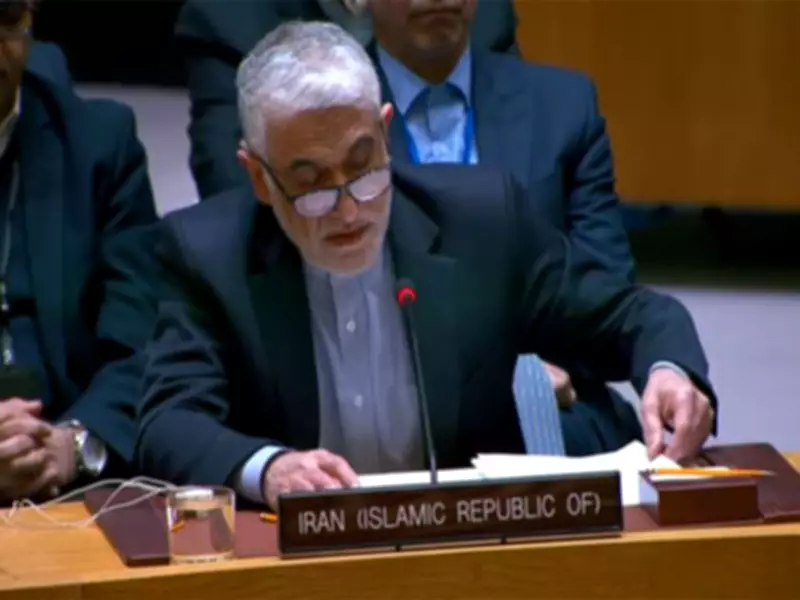
Iran's UN Envoy Levels Grave Accusations Against Israel
In a dramatic development at the United Nations, Iran's ambassador has submitted a formal letter alleging that Israel is responsible for the assassination of four senior Iranian diplomats in Beirut. The envoy has called upon UN Secretary-General António Guterres to take immediate action, framing the incident as a severe breach of international norms and sovereignty.
Details of the Alleged Assassinations
The Iranian delegation claims that the four diplomats were targeted in a covert operation in Beirut, which they assert was orchestrated by Israeli intelligence agencies. While specific names and dates have not been publicly disclosed in the letter, the envoy emphasized that these individuals held high-ranking positions within Iran's diplomatic corps, making their deaths a significant blow to the country's foreign operations.
The letter to the UN Secretary-General outlines the alleged violations, including the infringement of diplomatic immunity and the use of extraterritorial force. Iran is demanding a thorough investigation by the United Nations to hold the perpetrators accountable and prevent such actions in the future.

International Reactions and Implications
This accusation comes amid heightened tensions in the Middle East, where Iran and Israel have long been engaged in a shadow war involving covert operations and proxy conflicts. The alleged assassinations in Beirut, if proven, could escalate hostilities and draw international condemnation.
Experts suggest that such incidents underscore the fragile state of diplomatic relations in the region and the challenges faced by the UN in mediating conflicts. The United Nations has yet to issue an official response, but the matter is expected to be discussed in upcoming security briefings.
Historical Context and Regional Dynamics
Iran and Israel have a history of alleged covert actions against each other, including cyberattacks, sabotage, and targeted killings. The current allegation fits into a pattern of escalating confrontations, particularly in Lebanon, where both nations have significant influence through proxy groups.
- The envoy's letter highlights concerns over the safety of diplomats in conflict zones.
- It calls for reinforced protections under international law to prevent similar incidents.
- The UN's role in investigating such claims is crucial for maintaining global diplomatic standards.
As the situation unfolds, the international community will be closely monitoring the UN's response and any potential repercussions for regional stability. The allegations add another layer of complexity to the already volatile Middle Eastern geopolitical landscape.






