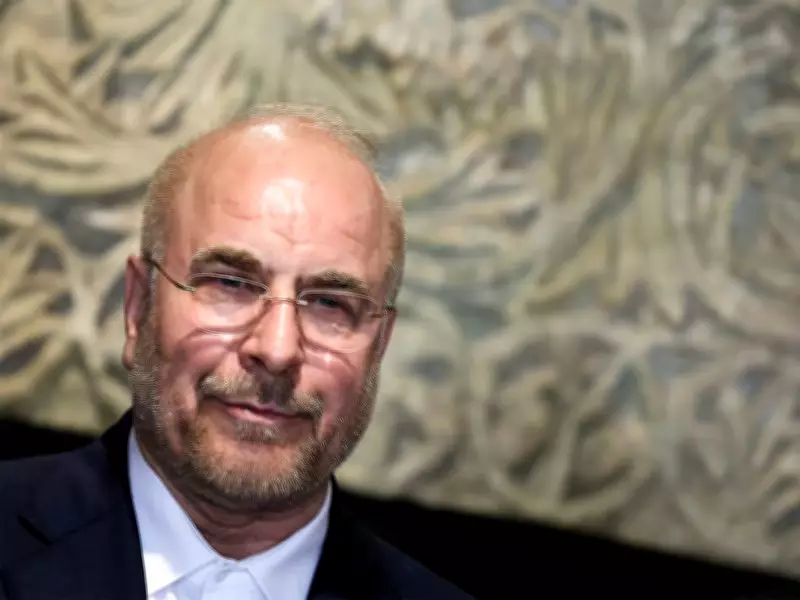
In a significant escalation of diplomatic tensions, Iran has taken a firm retaliatory stance by branding the armies of European nations as terrorist groups. This decisive move comes as a direct response to the European Union's recent decision to blacklist the Islamic Revolutionary Guard Corps (IRGC), Iran's elite military force. The announcement was made by Mohammad Baqer Qalibaf, the Speaker of the Iranian Parliament, underscoring the country's strong opposition to the EU's actions.
Background of the Diplomatic Standoff
The European Union's move to designate the IRGC as a terrorist organization has been a contentious issue, with Iran viewing it as an unjust and provocative act. The IRGC plays a crucial role in Iran's defense and security apparatus, and its blacklisting by the EU is seen as an attempt to undermine Iran's sovereignty and regional influence. In retaliation, Iran has now formally classified European armies as terrorist entities, marking a sharp deterioration in relations between Tehran and European capitals.
Implications for International Relations
This tit-for-tat labeling is expected to have far-reaching consequences for diplomatic and economic ties. By branding European armies as terrorist groups, Iran is likely to face increased isolation and potential sanctions from Western nations. Conversely, the EU's blacklisting of the IRGC could complicate efforts to revive the nuclear deal and engage in constructive dialogue with Iran. The situation highlights the growing rift between Iran and Europe, with both sides digging in their heels.

Statements from Iranian Leadership
Mohammad Baqer Qalibaf, in his capacity as Parliament Speaker, emphasized that Iran will not tolerate what it perceives as hostile actions from the European Union. He stated that the designation of European armies as terrorist groups is a necessary and proportional response to protect Iran's national interests. Qalibaf's remarks reflect the hardline stance adopted by Iranian authorities, who are determined to counter external pressures with firm measures.
Potential Ramifications and Future Outlook
The mutual accusations of terrorism are likely to exacerbate existing tensions and hinder cooperation on various fronts, including security, trade, and regional stability. As both Iran and the European Union stand their ground, the risk of further escalation remains high. Observers are closely watching how this diplomatic row will unfold, with concerns about its impact on global peace and security. The situation underscores the complex and often volatile nature of international relations in the modern era.