

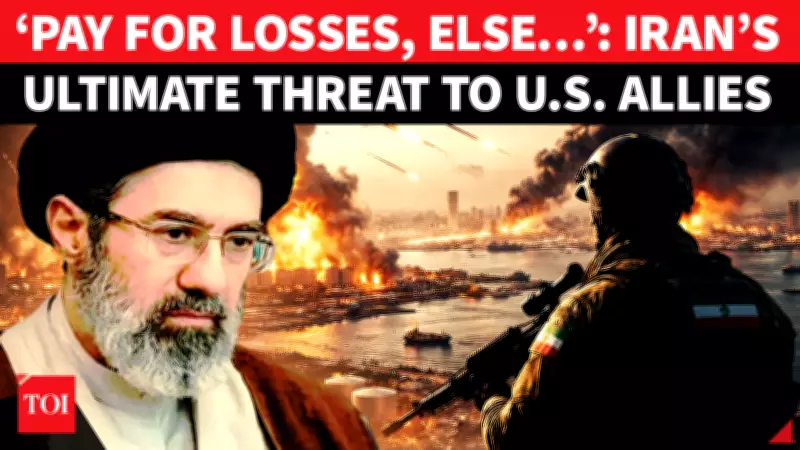
Iran Issues Ultimatum to US Allies Over War Compensation Claims
In a bold move that has heightened geopolitical tensions, Iran has issued a stark ultimatum demanding compensation from five regional nations, accusing them of violating international obligations during recent conflicts. The countries targeted in this demand include Saudi Arabia, the United Arab Emirates (UAE), Qatar, Bahrain, and Jordan. Tehran's envoy to the United Nations has formally claimed that these nations contributed to significant damages suffered in the war, framing the demand as a legal necessity under established international law.
Escalating Diplomatic and Legal Confrontations
The demand from Iran signals a potential escalation into a full-blown diplomatic and legal confrontation, as the accused nations have previously condemned Iranian actions as clear violations of the UN Charter. This development comes amid an already volatile Middle East region, where fears of further instability are mounting. Analysts warn that such ultimatums could exacerbate existing conflicts and lead to increased regional strife.
Iran's Legal Framework and Accusations

Iran's position is rooted in a strict interpretation of international law, with its UN envoy asserting that the five countries failed to meet their obligations, thereby causing harm during the conflict. This legal stance is likely to be contested vigorously by the accused nations, who view Iran's own activities as provocative and unlawful. The situation underscores the complex interplay of legal arguments and political maneuvering in international disputes.
Regional Reactions and Global Implications
The accused nations, all considered allies of the United States in the region, have not yet issued formal responses to Iran's demand, but past statements indicate strong opposition. Saudi Arabia and its allies have frequently criticized Iran for its regional interventions, labeling them as destabilizing. This latest demand could strain diplomatic relations further and impact global efforts to mediate peace in the Middle East.
Potential for Increased Instability
As tensions rise, there is growing concern that this confrontation could spill over into broader conflicts, affecting oil markets and international security. The Middle East, already a hotspot for geopolitical rivalries, faces the risk of escalated hostilities if diplomatic channels fail to address these compensation claims. Observers are closely monitoring the situation for any signs of military posturing or economic sanctions.
In summary, Iran's demand for compensation from Saudi Arabia, Qatar, and other allies marks a significant escalation in regional tensions, with potential ramifications for international law and global stability. The coming weeks will be critical in determining whether this leads to a negotiated settlement or further confrontation.






