

Iran Executions Reach Highest Level Since 1989 with 1,639 Deaths in 2025
Iran carried out a minimum of 1,639 executions during the year 2025, representing the most severe use of capital punishment documented in the country since 1989. This alarming figure comes from a joint report by two prominent human rights organizations: Iran Human Rights (IHR), based in Norway, and Together Against the Death Penalty (ECPM), headquartered in Paris.
The total number of executions marks a dramatic 68% escalation compared to the 975 executions recorded in 2024. Among those executed were 48 women, highlighting a particularly distressing trend. The organizations emphasize that this count is an "absolute minimum" estimate, as fewer than 7% of executions are officially announced by Iranian authorities. Their methodology requires confirmation from two independent sources to include each case.
Daily Execution Rate and Late-Year Surge
On average, more than four individuals were executed every single day throughout 2025. The pace of executions intensified significantly toward the end of the year. November witnessed at least 336 executions, followed by approximately 376 in December—equating to roughly 12 executions per day during those two months alone.

In one particularly harrowing four-day period, 69 people were put to death. These cases were reported across at least 35 different cities, underscoring the nationwide scale of this execution campaign.
Crackdown on Dissent and Political Repression
The human rights groups warn that hundreds of individuals detained during the anti-government protests of January 2026 remain at imminent risk of execution. Those protests were brutally suppressed in a crackdown that, according to rights organizations, resulted in thousands of deaths and mass arrests.
Mahmood Amiry-Moghaddam, the director of IHR, stated that the surge in executions appears deliberately aimed at "instilling fear and deterring dissent" among the population. Notably, even during periods of international conflict involving Israel and the United States, Iran executed seven individuals linked to the protests, including alleged members of the People's Mujahedin of Iran.
Raphael Chenuil-Hazan, executive director of ECPM, asserted that the death penalty is being utilized as a political tool in Iran, with Kurdish and Baluch minorities disproportionately targeted. The report documents widespread practices of torture, forced confessions, and secret executions conducted without notifying the families of the victims.
Patterns of Execution and Victim Demographics
Nearly half of all executions in 2025 were for drug-related offences, with reports of group hangings involving up to 24 people at once. The 48 women executed represent the highest number in over two decades, with many cases linked to abusive domestic situations. At least 21 of these women had been convicted of killing their spouses, often in contexts of severe abuse.
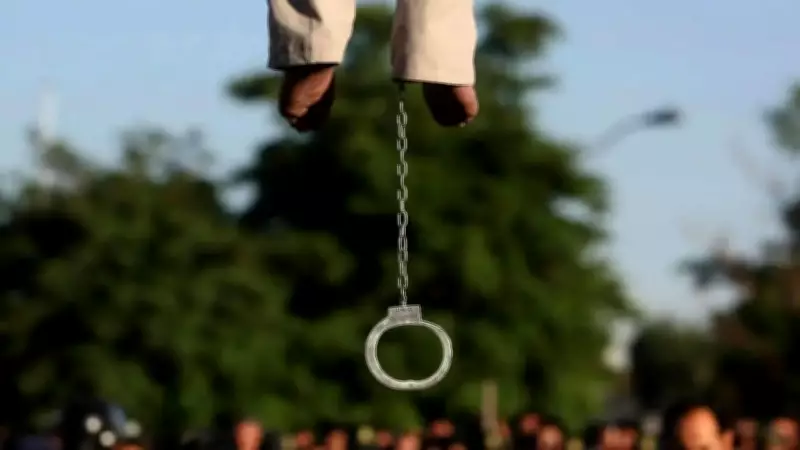
Victims included foreign nationals and individuals ranging in age from 18 to 71 years old, with ethnic and religious minorities significantly overrepresented among those executed. While most executions occurred within prison facilities, public hangings increased to 11 instances during the year. Hanging remains the primary method of execution employed by Iranian authorities.
Continued Resistance and International Context
Despite the intense crackdown, resistance persists within Iran. A prisoner-led campaign known as "No to Executions Tuesdays" has been ongoing for over 90 consecutive weeks, demonstrating enduring opposition to the death penalty.
International organizations, including Amnesty International, note that Iran carries out more executions than any other country except China, where reliable data is largely unavailable. This places Iran among the world's most prolific users of capital punishment, with the 2025 figures representing a significant escalation in both scale and frequency.






