

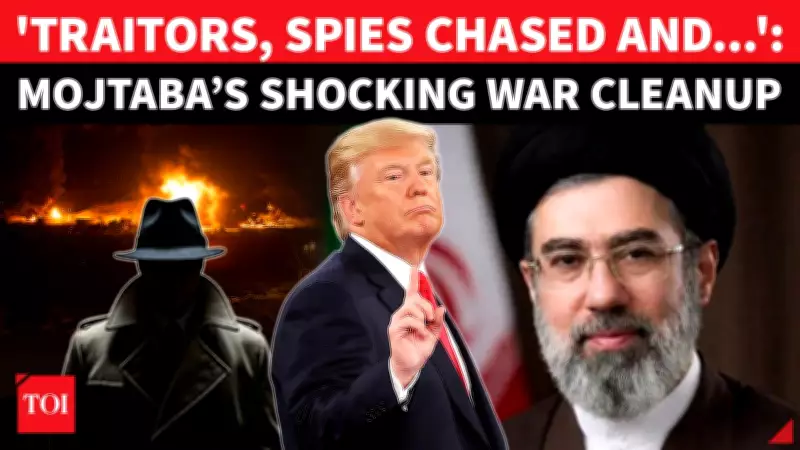
Iran Launches Massive Crackdown on Alleged 'Traitor Spy Network'
In a significant escalation of internal security measures, Iran has initiated a widespread crackdown targeting what it describes as a "traitor spy network." This move comes amid heightened tensions with the United States and Israel, as the Islamic Revolutionary Guard Corps (IRGC) intelligence wing has detained 33 individuals accused of gathering sensitive military intelligence for foreign powers.
Details of the Arrests and Accusations
According to reports from Iranian state media, the arrested individuals are suspected of espionage activities focused on military sites, allegedly working on behalf of the US and Israel. The crackdown is part of a broader effort by the regime, now under the leadership of Mojtaba Khamenei, to root out internal threats and bolster national security. This follows earlier arrests of four people for sharing confidential information with the UK-based media outlet Iran International, highlighting a pattern of targeting perceived leaks and collaborations with foreign entities.
Context of Escalating Regional Tensions
The arrests occur against a backdrop of increasing hostilities in the Middle East, with Iran issuing stark warnings and engaging in military actions against its adversaries. Recent events include:

- Iran's demands to the US and Israel: The regime has presented peace terms, threatening continued conflict if not accepted.
- Military threats in the Gulf: The UAE has been warned of potential missile attacks, causing alarm in the region.
- Hezbollah's involvement: The group has issued chilling war cries as conflicts with Israel intensify.
- International incidents: Explosions at a Jewish school in Amsterdam and attacks on US military aircraft have been linked to the broader Iran conflict.
These developments underscore the volatile environment in which the crackdown is taking place, with Iran positioning itself aggressively against perceived enemies both domestically and internationally.
Implications for Internal and External Relations
The "traitor hunt" led by Mojtaba Khamenei signals a hardening stance within Iran's leadership, aiming to consolidate power and eliminate dissent. By targeting alleged spies, the regime seeks to demonstrate strength and deter further foreign interference. However, this could exacerbate tensions with the US and Israel, potentially leading to more confrontations. The international community is closely monitoring the situation, as arrests and military actions contribute to an already fragile geopolitical landscape in the Middle East.
This report is based on information from Iranian media and reflects the ongoing complexities of Iran's internal security policies amid global conflicts.






