

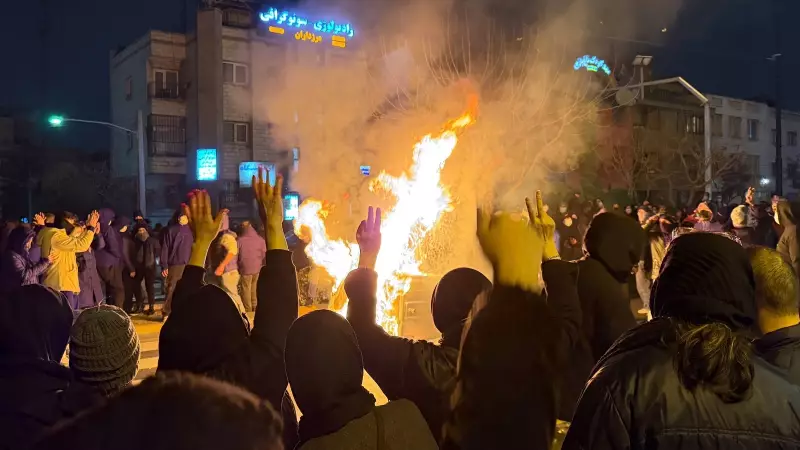
Iran Intensifies Crackdown on Starlink Users to Halt Global Spread of Protest Videos
Iranian authorities have launched a targeted campaign to hunt down users of Starlink satellite internet services. This aggressive move aims to block protest videos from reaching a global audience. The government is ramping up efforts to control the flow of information during periods of domestic unrest.
Starlink Becomes a Key Battleground in Iran's Internet Control Strategy
Starlink, operated by SpaceX, provides satellite-based internet access that can bypass traditional ground-based networks. In Iran, where the government imposes strict internet controls, Starlink has emerged as a vital tool for activists and protesters. Users rely on it to share videos and updates with the outside world.
Now, Iranian security forces are actively searching for individuals using Starlink devices. They aim to confiscate equipment and disrupt connections. This crackdown represents a significant escalation in Iran's long-standing efforts to monitor and restrict online communications.

Global Implications of Iran's Actions on Information Freedom
The hunt for Starlink users has broader implications for global information freedom. By blocking protest videos, Iran seeks to shape international perceptions of its internal affairs. This tactic limits the ability of the global community to witness events unfolding within the country.
Experts note that such measures highlight the ongoing struggle between authoritarian regimes and technology-enabled dissent. Starlink's role in this conflict underscores the importance of satellite internet in circumventing censorship. However, users face increasing risks as authorities become more adept at detection.
Iran's actions also raise concerns about the safety of individuals relying on these services. Those caught using Starlink could face severe penalties, including imprisonment. This environment of fear further complicates efforts to maintain open lines of communication during protests.
Challenges and Responses in the Fight Against Internet Censorship
Despite the crackdown, some users continue to find ways to access Starlink. They employ various methods to hide their activities from authorities. This cat-and-mouse game illustrates the persistent challenges in completely shutting down alternative internet sources.
International observers and human rights groups have condemned Iran's actions. They argue that restricting access to information violates fundamental freedoms. Calls for greater support to digital rights in Iran have grown louder in response to these developments.
The situation remains fluid, with both sides adapting their strategies. As technology evolves, so do the tactics used by governments to control it. The outcome of this struggle will likely influence similar conflicts in other regions facing internet restrictions.
In summary, Iran's hunt for Starlink users marks a critical moment in the battle over information control. It reflects the government's determination to prevent protest videos from going global, while also highlighting the resilience of those seeking to share their stories with the world.






