

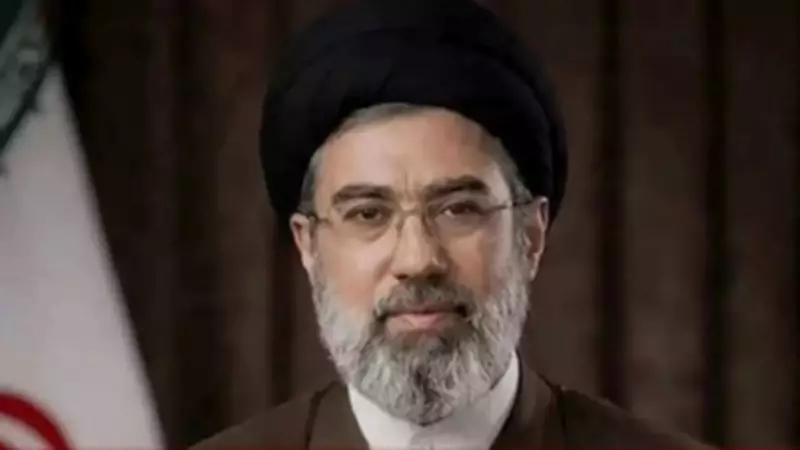
Iran's New Supreme Leader Delivers Defiant First Message, Threatening US Interests and Potential Hormuz Closure
In his inaugural public address since assuming the role of Iran's supreme leader, Mojtaba Khamenei adopted a confrontational stance on Thursday, clearly indicating that Tehran plans to persist in targeting American interests throughout the Gulf region. He further suggested that Iran could maintain the closure of the strategically vital Strait of Hormuz as a form of "leverage" amid the intensifying hostilities.
Key Highlights from Khamenei's Defiant Statement
The message was conveyed by a news anchor on Iranian state television, with Khamenei notably absent from the broadcast. Israeli intelligence assessments indicate he sustained injuries during the initial strikes of the conflict. Khamenei pledged that Iran would continue its military campaign to avenge those killed, including casualties from attacks on civilian locations such as schools.
Tehran, he asserted, would "obtain compensation" from its adversaries, an apparent reference to the United States. He warned that if Washington refuses, Iran will "take from its assets" or destroy them to an equivalent extent.

Critical Demands and Strategic Warnings
- Khamenei demanded the immediate closure of all US military bases in the region, cautioning that they would otherwise remain prime targets for Iranian attacks.
- He emphasized Iran's desire for constructive relations with its Gulf neighbors, clarifying that Tehran's strikes are solely aimed at US bases operating from their territories.
- The new supreme leader identified the Strait of Hormuz as a crucial strategic pressure point, advocating for its closure to influence Iran's opponents.
- He vowed to continue fighting to avenge the martyrs, ranging from the former supreme leader killed earlier in the war to children who perished in recent assaults.
Internal Unity and Economic Ramifications
Khamenei commended Iran's armed forces for preventing the nation from being "dominated or divided" and announced financial and other support measures for individuals affected by the war. He also appealed for unity among Iranians, urging citizens to set aside differences during this critical crisis.
The statement emerged as Iran's attacks on tanker routes and energy facilities across the Persian Gulf unsettled global markets, driving oil prices back above $100 per barrel on Thursday. The conflict originated on February 28 following strikes by the United States and Israel on Iranian targets, with little indication of de-escalation. Iran's president has stated that military operations will persist until Tehran receives assurances against future assaults. Concurrently, Donald Trump has pledged to "finish the job," while controversially claiming that Iran has been "virtually destroyed."






