

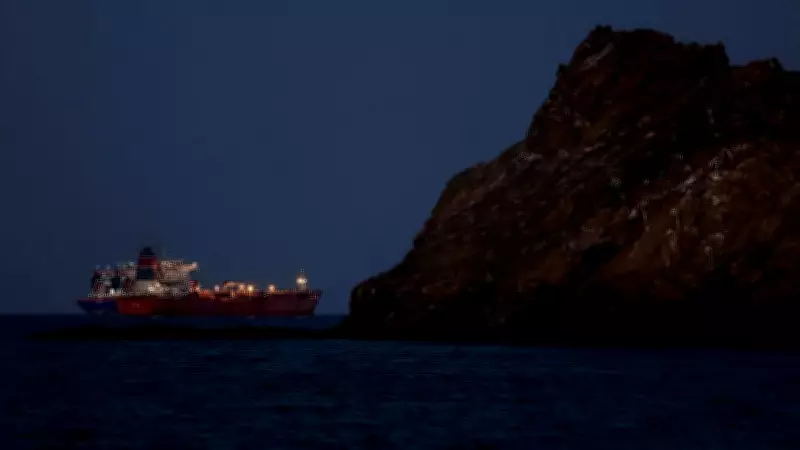
Iran-Linked Vessels Drive Surge in Strait of Hormuz Traffic
In a development with significant implications for global energy security, ships linked to Iran are reportedly driving a notable increase in maritime traffic through the strategically vital Strait of Hormuz. This narrow waterway, which connects the Persian Gulf to the Gulf of Oman, serves as a crucial chokepoint for the transportation of approximately one-fifth of the world's oil supply.
Heightened Activity Amid Regional Tensions
The surge in vessel movements comes at a time of heightened geopolitical tensions in the Middle East. The Strait of Hormuz has long been a flashpoint due to its strategic importance, and recent escalations involving Iran and other regional actors have put a spotlight on maritime activities in the area. Observers note that the increased traffic by Iran-linked ships could be part of broader strategic maneuvers or economic efforts by Tehran.
This uptick in maritime operations is occurring against a backdrop of ongoing diplomatic strains and security concerns. The international community, particularly nations dependent on oil imports from the region, is closely monitoring the situation for any potential disruptions to shipping lanes.

Implications for Global Oil Markets
The Strait of Hormuz is arguably the world's most important oil transit chokepoint. Any significant disruption to traffic through this narrow passage could have immediate and severe consequences for global oil prices and energy security. The increased presence of Iran-linked vessels raises questions about the potential for:
- Heightened risks of maritime incidents or confrontations
- Possible impacts on shipping insurance rates
- Increased naval patrols and surveillance by other nations
Analysts suggest that the current traffic patterns may reflect Iran's efforts to assert its influence over this critical maritime corridor, which has been a subject of contention for decades.
Regional and International Responses
Regional powers and international stakeholders are likely to respond to this development with increased vigilance. The United States and its allies have historically maintained a strong naval presence in the area to ensure freedom of navigation. The recent surge in Iran-linked ship traffic may prompt:
- Enhanced monitoring and intelligence-gathering operations
- Diplomatic communications among concerned nations
- Potential adjustments to maritime security protocols
The situation underscores the delicate balance of power in one of the world's most geopolitically sensitive regions. As Iran continues to navigate international sanctions and regional rivalries, its maritime activities in the Strait of Hormuz will remain a key indicator of its strategic priorities and capabilities.
This development serves as a reminder of how interconnected global energy markets are with geopolitical stability in the Middle East. The international community will be watching closely to see how this increased traffic affects the already complex dynamics of the region.






