

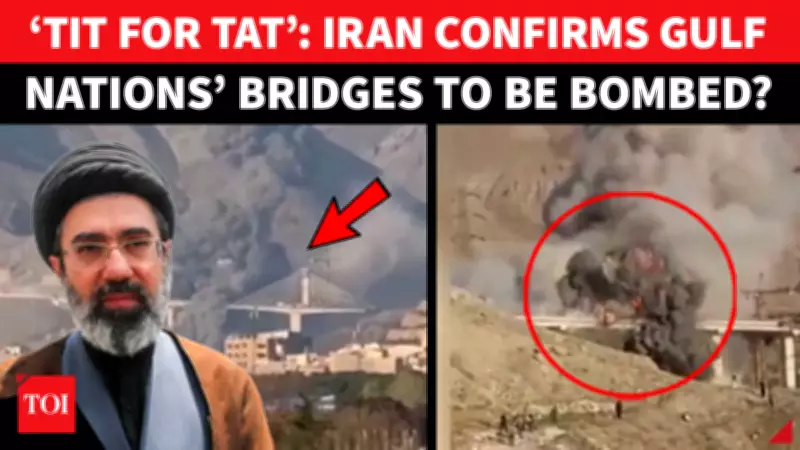
Iran Publishes Hit List of 8 Critical Gulf Bridges Following Karaj Bridge Attack
In a significant escalation of regional tensions, Iran has officially released a list of eight major bridges across the Gulf region that it has identified as potential targets for retaliation. This move comes directly in response to a recent US-Israeli military strike that severely damaged the B1 bridge located near the city of Karaj in Iran. The attack on the Karaj bridge resulted in the tragic loss of eight lives and left dozens more injured, according to reports from the area.
Key Infrastructure Across Multiple Nations Named
The list of potential targets includes critical bridge infrastructure in several key Middle Eastern nations. Specifically, Iran has named bridges in Kuwait, the United Arab Emirates (UAE), Saudi Arabia, Bahrain, and Jordan. These structures are considered high-value due to their strategic importance for transportation, trade, and military logistics in the Gulf region. The identification of these targets underscores Iran's intent to retaliate against what it perceives as an act of aggression, potentially destabilizing vital economic and security corridors.
Political Warnings and Rejections Intensify Standoff
The situation has prompted strong reactions from global leaders. US President Donald Trump has issued a warning, indicating the possibility of further strikes if Iran proceeds with any retaliatory actions. Conversely, Iran's Foreign Minister has publicly rejected what he described as pressure tactics from the United States and its allies, asserting Iran's right to defend its sovereignty and infrastructure. This exchange of warnings highlights a deepening diplomatic and military standoff, with both sides appearing unwilling to back down.

Analysis of Regional Consequences and Escalation Risks
This development signals a dangerous escalation in the already volatile Middle East. Targeting major bridges could have severe repercussions, including:
- Disruption of trade routes and economic activities across the Gulf.
- Increased military tensions involving multiple nations and possibly drawing in global powers.
- Potential humanitarian impacts due to infrastructure damage affecting civilian populations.
The broader implications extend beyond immediate retaliation, risking a wider regional conflict that could impact global energy markets and international security. Observers are closely monitoring the situation for any further developments, as the stakes continue to rise in this geopolitical flashpoint.






