

Iran's Dual Strategy: Diplomacy and Military Readiness Amid Escalating Tensions
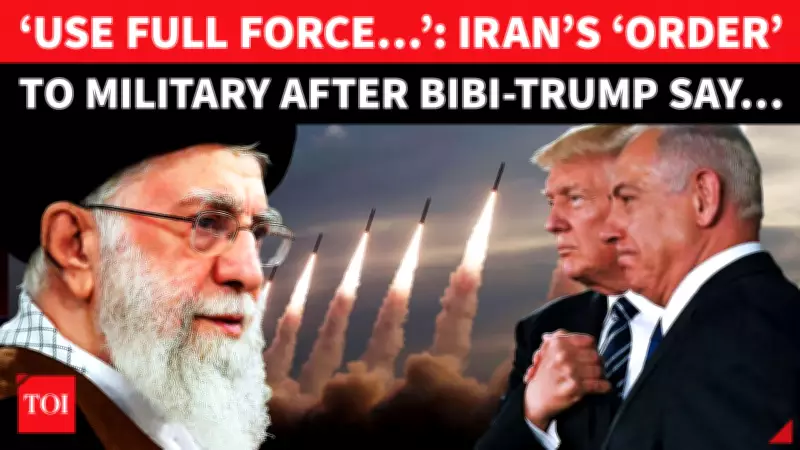
In a significant development from Tehran, Iran has issued a major directive to its military forces while simultaneously engaging in diplomatic talks with Washington. This move comes amid swirling rumors of a potential attack plan being discussed between former US President Donald Trump and Israeli Prime Minister Benjamin Netanyahu.
Diplomacy Without Trust: Iran's Calculated Approach
Foreign Minister Abbas Araghchi has made it clear that Iran will continue diplomatic negotiations with the United States, but with a crucial caveat: these talks will proceed without any inherent trust in Washington's intentions. Speaking alongside senior military commanders just days after discussions in Oman, Araghchi framed these negotiations as being driven by experience and conducted with eyes wide open to potential risks.
The symbolism of this announcement was particularly striking, as it deliberately intertwined diplomatic efforts with military preparedness. This dual-track approach suggests Iran is preparing for multiple possible outcomes in its dealings with the United States and its regional adversaries.

Military Warning: Unprecedented Response to Any Miscalculation
Army Chief Amir Hatami reinforced the government's position with a stern warning to potential adversaries. He stated that Iran would deliver an unprecedented response to any miscalculation by hostile forces. This language indicates that Tehran believes the region is moving closer to dangerous escalation, and they are preparing accordingly.
The military directive appears to be a direct response to intelligence suggesting that Trump and Netanyahu have been discussing potential military action against Iran. While details of these alleged discussions remain unconfirmed, the Iranian response suggests they are taking the possibility seriously enough to issue formal military preparations.
Regional Implications: A Delicate Balance
This development comes at a particularly sensitive time for Middle Eastern geopolitics. The intertwining of diplomacy and deterrence represents a calculated strategy by Iran to maintain pressure on multiple fronts. By demonstrating both willingness to talk and readiness to fight, Tehran aims to position itself as both reasonable negotiator and formidable adversary.
The timing of these announcements, following closely on the heels of Oman talks, suggests Iran is carefully coordinating its diplomatic and military messaging. This approach allows them to pursue negotiations while simultaneously preparing their defenses against potential military action.
As tensions continue to simmer in the region, Iran's dual strategy of diplomacy without trust coupled with military readiness creates a complex landscape for international relations. The warning from military leadership about unprecedented responses to miscalculation serves as a clear signal that Tehran views the current situation as particularly volatile and is preparing for multiple contingencies.






