

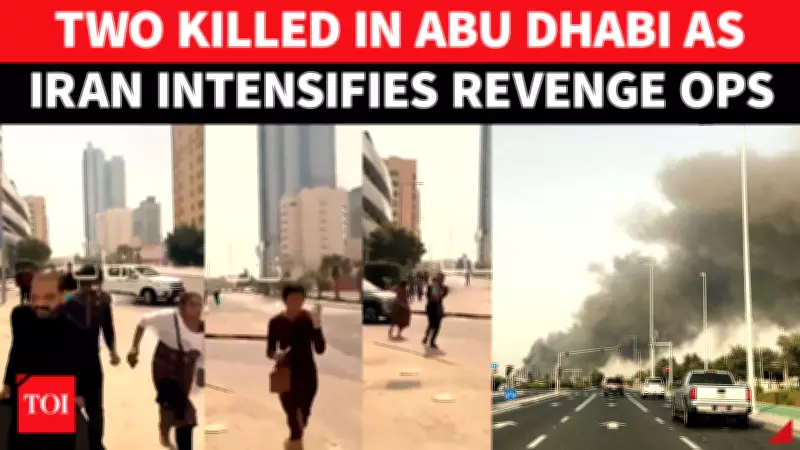
Iran Missile Debris Kills Two Teenagers in Abu Dhabi Residential Area
In a tragic incident that has sent shockwaves through the United Arab Emirates, debris from an intercepted missile originating from Iran struck a residential neighborhood in Abu Dhabi, resulting in the deaths of two teenagers and injuries to three other individuals. The event, which occurred on March 26, 2026, has raised significant concerns about regional security and the effectiveness of defense mechanisms in the face of escalating tensions.
Details of the Attack and Aftermath
According to official statements from UAE authorities, the missile was successfully intercepted by advanced air defence systems deployed across the country. However, the falling shrapnel from the destroyed projectile caused catastrophic damage on the ground. The two fatalities were identified as teenagers, whose lives were cut short by the unexpected debris. Additionally, three people sustained injuries and are currently receiving medical treatment, with their conditions reported as stable but under close observation.
The impact of the debris extended beyond human casualties, with multiple vehicles in the area suffering severe damage. Eyewitness accounts describe scenes of chaos and confusion as residents grappled with the sudden attack, highlighting the vulnerability of civilian zones in conflict scenarios. The UAE government has launched a thorough investigation into the incident, aiming to assess the full extent of the damage and reinforce protective measures.

Regional Context and Broader Implications
This incident occurs against a backdrop of heightened military activities and geopolitical strife in the Middle East. Recent reports indicate that Iran has been fortifying its strategic positions, such as Kharg Island, with mines and man-portable air-defense systems (Manpads), amid fears of potential ground invasions. Furthermore, there have been claims of Russia supplying deadly drones to Iran, adding a complex layer to the ongoing conflicts involving Western powers.
In related developments, groups like Hezbollah have engaged in aggressive actions, including destroying Israeli military equipment in South Lebanon, which ties into the broader Iran-led confrontations. The situation has prompted alarm in European capitals like Paris and London, particularly over Iran's asserted capability to launch missiles over distances up to 4,000 kilometers.
Key points from the regional escalation include:
- Iran's deployment of advanced weapons systems and warnings to the United States, referencing historical incidents like the Gerald Ford and Abraham Lincoln events.
- Alleged breaches of US bases in Arab nations by Iran-linked drones, which have been used for surveillance and targeting assets.
- Previous attacks, such as strikes on Kuwait that resulted in fires at international airports, underscoring the widespread nature of the threat.
Response and Future Outlook
The UAE has reiterated its commitment to safeguarding its citizens and residents, with officials emphasizing the success of the interception in preventing a direct hit. However, the casualties from debris have sparked debates on the need for enhanced missile defense technologies that can mitigate secondary damages. International observers are closely monitoring the situation, as it could influence diplomatic efforts and military strategies in the region.
As tensions simmer, there are calls for de-escalation, with some political figures urging an end to the Iran war to stabilize global oil prices. The defiant messages from Iranian officials, such as those from FM Araghchi regarding the Strait of Hormuz, indicate a volatile standoff that may have far-reaching consequences for global trade and security.
This report underscores the urgent need for robust defense protocols and international cooperation to address the growing threats in the Middle East, ensuring the safety of civilian populations amidst ongoing conflicts.






