Iran Moves Toward Fast-Track Executions Amid Ongoing Protests
Iran's judiciary chief has indicated plans for rapid trials and executions of protesters, directly challenging international calls for restraint. This development comes as nationwide unrest enters its third week, with activists reporting thousands of casualties.
Judiciary Chief Urges Swift Action
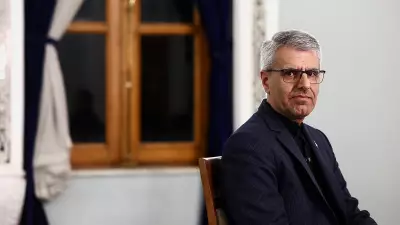
Gholamhossein Mohseni-Ejei, the head of Iran's judiciary, emphasized the need for immediate measures in a video broadcast by state television. He stated that delays would reduce the impact of any actions taken against detainees.
"If we want to do a job, we should do it now," Mohseni-Ejei said. "If it becomes late, two months, three months later, it doesn't have the same effect. If we want to do something, we have to do that fast."

First Execution Imminent as Protests Continue
Human rights groups have raised alarms about the potential execution of Erfan Soltani, a 26-year-old protester arrested in Fardis, Karaj district. Sources close to his family report that he was sentenced to death without a lawyer or proper trial, with the execution scheduled for January 14.
Official figures from Iran confirm over 2,000 people, including security personnel, have been affected by the protests. However, the US-based Human Rights Activists News Agency estimates the death toll at least 2,571, highlighting the severity of the crackdown.
Trump Issues Warning to Iran
Former US President Donald Trump responded to the situation with a stern warning during an interview with CBS on January 13. He threatened "very strong action" if Iran proceeds with executions and announced the cancellation of all talks with Iranian officials.
Trump encouraged protesters to continue their efforts and take over government institutions, assuring them that "help is on the way." This statement underscores the escalating tensions between the two nations.
Global Pressure and Domestic Unrest
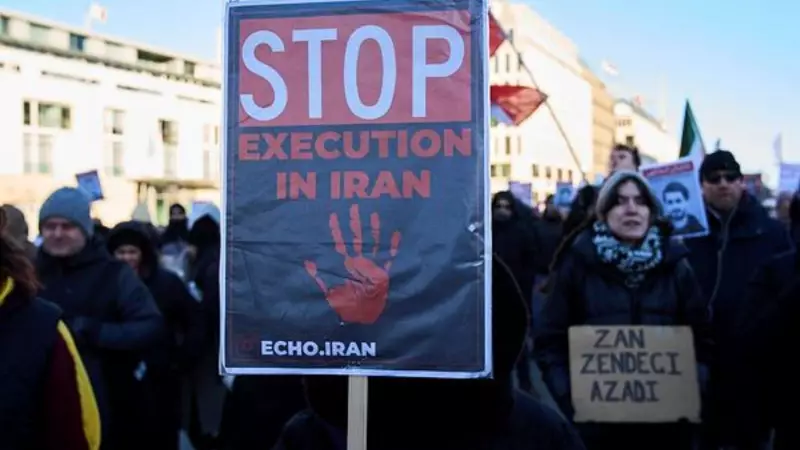
Despite appeals from the United States and other countries to end the violent suppression, Iran's judiciary appears determined to pursue harsh penalties. The protests, which have drawn international support, show no signs of abating, with demonstrators in cities like Berlin expressing solidarity.
The situation remains fluid, with the world watching closely as Iran balances internal dissent against external diplomatic pressures.