Iran Commits to Flexible Stance in Nuclear Negotiations
In a significant diplomatic development, Iran has pledged to adopt a flexible approach during the upcoming nuclear talks, even as tensions escalate with the threat of potential military strikes from the United States. This announcement comes at a critical juncture in international relations, highlighting the delicate balance between diplomatic engagement and geopolitical pressures.
Official Statement on Negotiation Focus
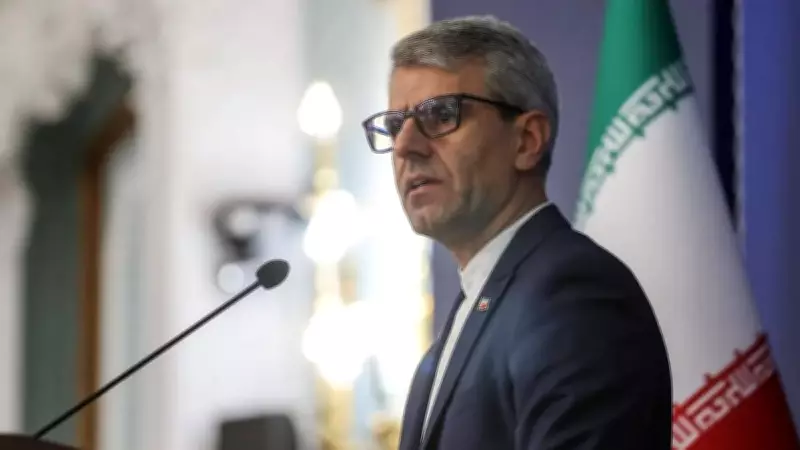
Esmaeil Baghaei, the spokesperson for the Iranian foreign ministry, made this declaration in an interview with Press TV on Thursday. He emphasized that the negotiations will be strictly confined to nuclear-related topics, ensuring a clear and focused agenda. This move is seen as an effort to streamline discussions and avoid the complications that have historically plagued such talks.
Baghaei stated, "Our priority is to address nuclear issues directly, without allowing external factors to derail the process." This statement underscores Iran's intent to maintain a constructive dialogue, despite the looming specter of US military action. The spokesperson's comments were widely reported by Reuters, adding credibility to the announcement and drawing global attention to the evolving situation.

Context of US Military Threats
The promise of flexibility comes against a backdrop of heightened tensions, with the United States reportedly considering military strikes as a response to Iran's nuclear activities. This threat has cast a shadow over the negotiations, raising concerns about the potential for conflict and the stability of the region.
Analysts suggest that Iran's flexible stance might be a strategic maneuver to de-escalate tensions and avert military confrontation. By focusing solely on nuclear topics, Iran aims to demonstrate its willingness to engage in meaningful discussions, potentially paving the way for a peaceful resolution. However, the effectiveness of this approach remains uncertain, given the complex history of US-Iran relations and the broader geopolitical dynamics at play.
Implications for International Diplomacy
The upcoming talks are poised to be a litmus test for international diplomacy, with several key implications:
- Regional Stability: A successful negotiation could reduce the risk of military conflict in the Middle East, promoting stability and security.
- Nuclear Non-Proliferation: Progress in these talks might strengthen global efforts to prevent the spread of nuclear weapons, aligning with international norms and agreements.
- US-Iran Relations: The outcome could either mend or further strain the fraught relationship between the two nations, influencing future diplomatic engagements.
As the world watches closely, the commitment to flexibility from Iran offers a glimmer of hope, but the path forward is fraught with challenges. The negotiations are scheduled to proceed amid intense scrutiny, with stakeholders from around the globe monitoring developments for signs of breakthrough or breakdown.
Looking Ahead
In conclusion, Iran's promise of flexibility in nuclear talks represents a pivotal moment in contemporary geopolitics. While the threat of US strikes looms large, the focused approach on nuclear issues could provide a framework for constructive dialogue. The international community remains hopeful that diplomacy will prevail, averting conflict and fostering a more secure global environment. As these talks unfold, the actions and responses of all parties involved will be critical in shaping the future of nuclear diplomacy and regional peace.