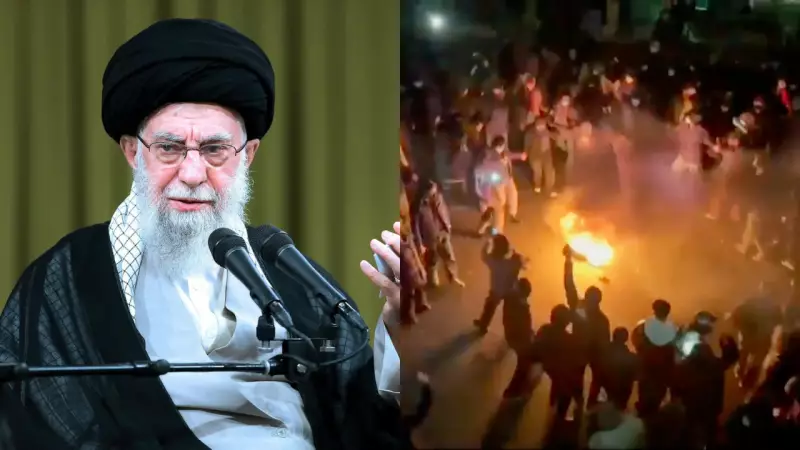
At least 2,500 people have lost their lives during widespread protests across Iran. The massive unrest continues to shake the Islamic Republic led by Supreme Leader Ayatollah Ali Khamenei. Rising prices and severe inflation triggered these demonstrations weeks ago.
Death Toll Climbs to Over 2,500
The US-based Human Rights Activists News Agency reported a grim figure early Wednesday. They confirmed at least 2,571 fatalities so far. This death toll surpasses any recent unrest in Iran. Many compare it to the chaos of the 1979 Islamic Revolution.
Iranian state television offered its first official acknowledgment of the deaths. An unnamed official quoted by the broadcaster said the country had "a lot of martyrs." However, authorities provided no specific numbers.

Regime Threatens Fast-Track Executions
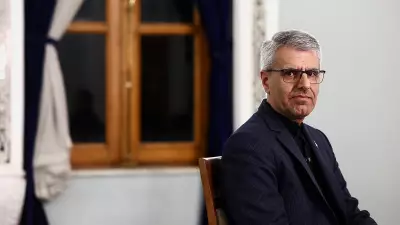
Iran's judiciary chief signaled a harsh response on Wednesday. Gholamhossein Mohseni-Ejei suggested authorities could move swiftly to try and execute detainees. He made these remarks in a video shared by state television.
"If we want to do a job, we should do it now. If we want to do something, we have to do it quickly," Mohseni-Ejei stated. He emphasized that delays would reduce the impact. "If it becomes late, two months, three months later, it doesn't have the same effect."
Defying International Warnings
These comments appeared to directly challenge US President Donald Trump. Trump warned Tehran in a CBS interview aired Tuesday. "We will take very strong action. If they do such a thing, we will take very strong action," he declared.
Trump later told reporters while returning to the White House that the killing "looks like it's significant." He added that once he has confirmed numbers, "we'll act accordingly."
Unprecedented Violence in Contemporary History
France's foreign minister called the crackdown potentially the most violent in Iran's contemporary history. Jean-Noel Barrot spoke on Wednesday about the scale of repression. He described it as unprecedented and demanded an immediate end to the violence.
"What we suspect is that this is the most violent repression in Iran's contemporary history and that it must absolutely stop," Barrot stated.
Protests Evolve from Economic Grievances
The protests began in late December over Iran's deteriorating economy. They quickly evolved into open challenges against the ruling theocracy. Rising prices and job insecurity pushed angry traders, university students, and urban residents onto the streets.
Major cities like Tehran, Mashhad, and Isfahan saw significant demonstrations. Protesters directly targeted Supreme Leader Ayatollah Ali Khamenei. Images emerged from Tehran showing graffiti and chants calling for his death. Such acts could carry the death penalty under Iranian law.
International Reactions and Iranian Response
US President Donald Trump commented on the unrest via his Truth Social platform. "Iranian Patriots, KEEP PROTESTING - TAKE OVER YOUR INSTITUTIONS!!!" he wrote. Trump added that he canceled all meetings with Iranian officials until the killing stops. "HELP IS ON ITS WAY," he promised.
Iranian officials swiftly rejected these remarks. Ali Larijani, secretary of Iran's Supreme National Security Council, warned Washington against interference. He declared Trump and Israeli Prime Minister Benjamin Netanyahu as "the main killers of the people of Iran."
Breakdown of Casualties and Detentions
Activists provided a detailed breakdown of the casualties. They said at least 2,403 of those killed were protesters. Another 147 were linked to government forces. Tragically, twelve children were among the dead. More than 18,100 people have reportedly been detained during the crackdown.
Partial Lifting of Communication Blackout
Meanwhile, some Iranians managed to make phone calls abroad on Tuesday. This marked the first time after the government partially lifted a communication blackout. However, internet access remained largely blocked across the country.
Witnesses who briefly contacted AP described a heavy security presence in Tehran. Riot police stationed themselves at major intersections. Damaged government buildings and little public activity characterized the cityscape. Iranians remained largely isolated as uncertainty grew about future developments.

The situation continues to develop with international observers closely monitoring events. The partial restoration of communication offers a fragile window into the ongoing crisis.