

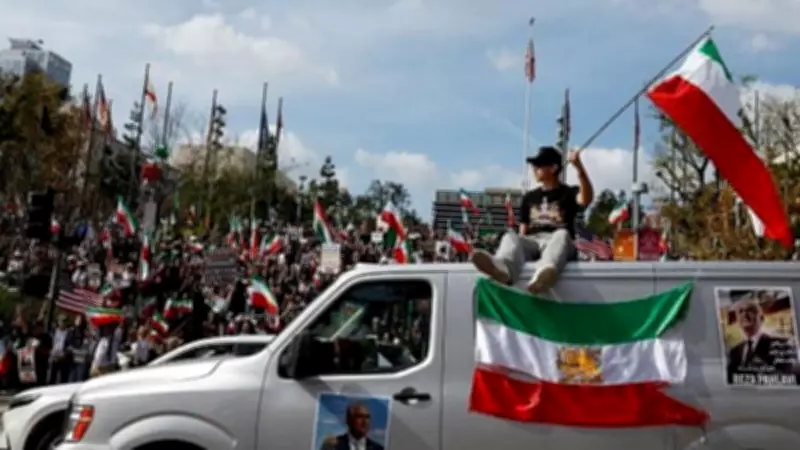
Iran's Protests Subside, Yet Public Anger and Anxiety Remain Pervasive
Mass demonstrations demanding the removal of Iran's authoritarian clerical leadership have officially come to an end. However, a profound sense of discontent continues to simmer beneath the surface, with numerous Iranians expressing that feelings of rage and apprehension now permeate every facet of daily existence.
A Surface Calm Masks Deep-Seated Resentment
Although the streets have quieted, the emotional and psychological impact of the protests lingers intensely. Citizens describe an environment where nothing feels ordinary or stable anymore. The collective sentiment is one of enduring frustration directed at the governing authorities, coupled with significant worries about what lies ahead for the nation.
This pervasive anxiety affects social interactions, economic decisions, and personal well-being, creating a climate of uncertainty that extends far beyond the political sphere. Many individuals report that the hope for change has been replaced by a grim acceptance of ongoing tension.

The Lingering Aftermath of Political Unrest
The cessation of public protests does not equate to resolution or peace. Instead, it marks a transition into a phase where discontent is internalized but no less potent. Key aspects of this ongoing situation include:
- Sustained public anger against the clerical regime's policies and control.
- Widespread anxiety regarding economic stability and personal freedoms.
- A general feeling that normalcy has been irrevocably disrupted.
- The psychological toll on a population grappling with unaddressed grievances.
This scenario underscores a critical disconnect between the state's portrayal of stability and the lived reality of its people. The protests may have ended, but the underlying issues that fueled them remain acutely unresolved, suggesting that the current calm is fragile at best.






