Iran Protests Escalate Into Major Anti-Government Movement
Iran is currently experiencing one of its most turbulent periods in decades. Widespread protests have erupted across the nation. These demonstrations began as a response to a severe economic crisis. They have now transformed into a broad-based movement that directly challenges the ruling theocratic government.
Major cities are witnessing significant unrest. Authorities have imposed a sweeping internet shutdown. This action severely limits independent verification of events. It also cuts millions of Iranians off from communication with the outside world.
Human Rights Groups Report Heavy Casualties
Human rights organizations describe the government crackdown as brutal. The US-based Human Rights Activists News Agency, known as HRANA, has released alarming figures. Their reports indicate more than 2,500 people have been killed. Tens of thousands more have been arrested.

Hospitals are reportedly overwhelmed with gunshot victims. Hundreds of people are suffering from serious eye injuries. These injuries are believed to result from security forces using pellet guns and other weapons against protesters.
Fears Mount Over Possible Executions
Concerns about executions are growing rapidly. Reports emerged that a young protester arrested in Karaj was scheduled to be put to death. This news has raised international alarm. Many fear the regime is using capital punishment to suppress dissent.
On Wednesday, Iranian officials signaled a hardening stance. Senior figures indicated that fast-track trials and executions could soon be carried out against detained protesters. However, Iran's Foreign Minister Abbas Araghchi later provided conflicting statements. He claimed there would not be any "hanging today or tomorrow."
International Reactions and Trump's Comments
The unrest has sharply escalated tensions with the United States. President Donald Trump has issued mixed messages. He has alternated between threatening action and signaling restraint. Trump warned Iran against killing or executing protesters. He urged demonstrators, whom he called "Iranian patriots," to continue their protests.
"Help is on its way," Trump told the protesters. On Wednesday, he stated he had been informed the killing had stopped. He also said there were no current plans for executions. Trump declined to name his sources. He emphasized the US would "watch and see" while keeping military options available.
Trump also commented on Iranian opposition figure Reza Pahlavi. "He seems very nice," Trump said. However, he expressed uncertainty about whether Pahlavi could gain acceptance within Iran. "I don't know how he'd play within his own country," Trump added. He noted the situation had not yet reached that stage of leadership transition.
Iran Closes Airspace and Accuses Foreign Powers
Iran made a significant move on Wednesday. The country temporarily closed its airspace to most commercial flights. Only international flights with official permission were allowed. The US Federal Aviation Administration confirmed this action. Iran cited security concerns for the closure, which lasted over two hours.
This restriction affected several airlines. Indian carriers IndiGo and Air India issued advisories to passengers. Both airlines reported using alternative routes for flights that usually overfly Iran. This change may cause delays for travelers.
Iran has accused the United States of inciting violence. Tehran claims Washington is threatening its sovereignty. Russia has warned against external interference in Iran's affairs. European powers have summoned Iranian ambassadors to express concern over the crackdown.
Diplomatic Missions Adjust Operations
The British embassy in Tehran announced a temporary closure. A government spokesperson in London confirmed the move. "We have temporarily closed the British Embassy in Tehran," the spokesperson said. The embassy will now operate remotely. The UK Foreign Office has updated its travel advice accordingly.
International concern continues to mount. Uncertainty persists about the true scale of violence in Iran. Questions also remain about the country's political future. The protests began in late December due to worsening economic conditions. Rising prices, job losses, and economic uncertainty drove people to the streets.

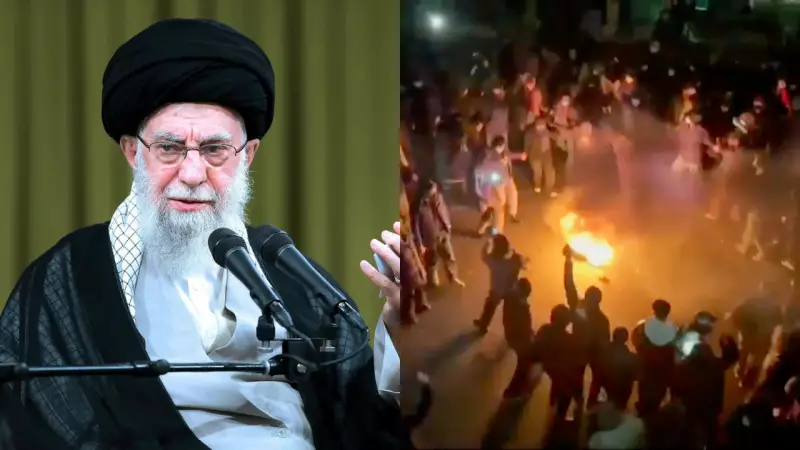
Demonstrations have spread to cities including Tehran, Mashhad, and Isfahan. In a significant escalation, protesters have directly targeted Supreme Leader Ayatollah Ali Khamenei. Graffiti and chants calling for his death have appeared during rallies.
The situation remains fluid and highly volatile. The world watches closely as Iran navigates this profound challenge to its established order.