

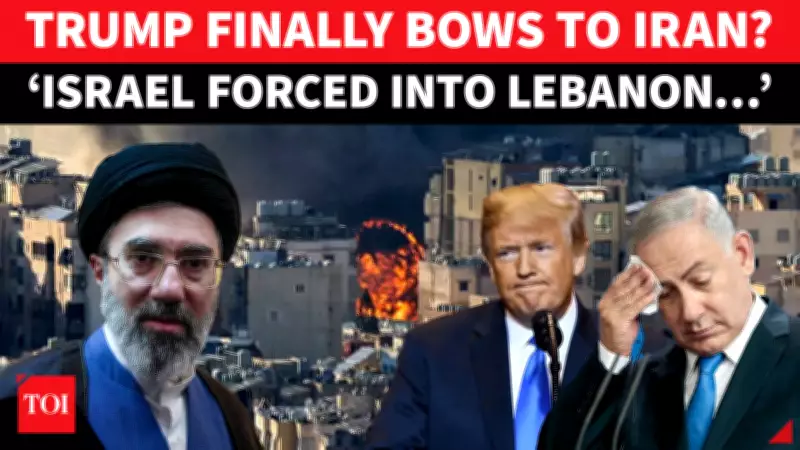
Iran's Strategic Maneuver Reshapes Middle East Ceasefire Dynamics
In a significant diplomatic development, Iran is reportedly orchestrating a major shift in Middle East negotiations by pushing to expand talks to include Lebanon. This move comes as Tehran utilizes its strategic leverage, particularly control over the critical Strait of Hormuz, to strengthen its position in regional discussions. The fragile ceasefire currently in place faces unprecedented pressure from these evolving diplomatic currents.
United States Increases Pressure on Israel
Simultaneously, the United States is ramping up pressure on Israel to advance toward a formal ceasefire agreement with Lebanon. This coordinated push occurs against a backdrop of escalating tensions across multiple fronts in the region. The involvement of key global and regional players has created a complex web of negotiations that could determine the future stability of the Middle East.
Indirect Influence Shapes Unstable Outcome
The situation remains highly volatile, with former US President Donald Trump, Israeli Prime Minister Benjamin Netanyahu, and Iranian leadership all indirectly shaping the potential outcomes through their actions and strategic posturing. This triangular dynamic introduces significant uncertainty into the diplomatic process.

- Iran's utilization of Strait of Hormuz access as bargaining chip
- US diplomatic pressure on Israel regarding Lebanon relations
- Expanding regional talks to include Lebanese representation
- Multiple tension points across the Middle East complicating negotiations
The delicate balance between moving toward sustainable peace or descending into renewed conflict hangs in the balance as these diplomatic maneuvers unfold. All parties involved are navigating a complex landscape where strategic interests, regional influence, and international relations intersect in potentially transformative ways.






