

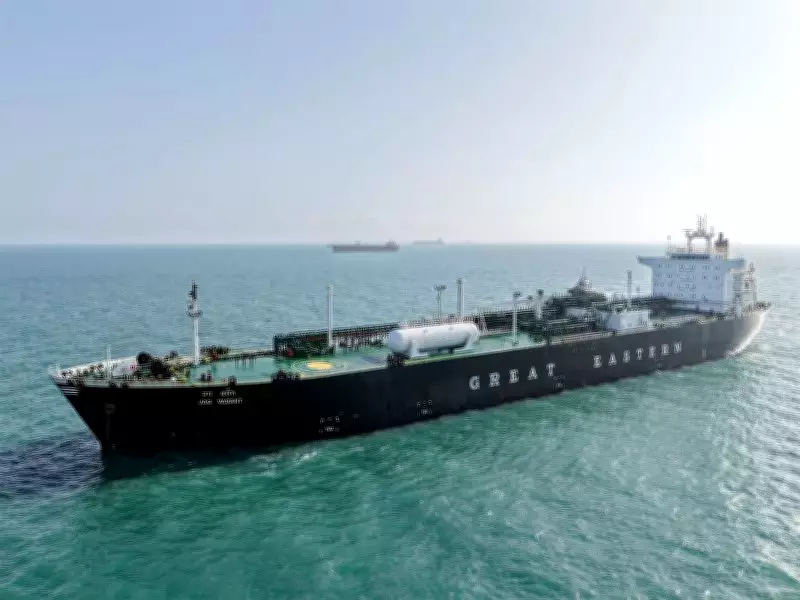
Iran Reimposes Blockade on Strait of Hormuz, Fires on Commercial Tankers
In a dramatic escalation of maritime tensions, Iran has reimposed a blockade on the Strait of Hormuz, a vital global oil transit route, and reportedly fired on commercial tankers. This move effectively snaps shut what was once considered a "safety valve" for international shipping in the region, raising alarms over energy security and geopolitical stability.
Details of the Blockade and Attacks
According to recent reports, Iranian forces have initiated a blockade in the Strait of Hormuz, a narrow waterway through which approximately one-fifth of the world's oil passes. The blockade involves restricting the movement of commercial vessels, with Iranian naval units actively firing on tankers that attempt to navigate the strait. This aggressive action marks a significant departure from previous periods of relative calm and has led to immediate disruptions in shipping lanes.
The firing incidents have targeted multiple tankers, causing damage to some vessels and forcing others to alter their routes. While specific casualty figures remain unclear, the attacks have heightened fears of a broader conflict in the Persian Gulf, a region already fraught with historical tensions. The blockade is seen as a strategic move by Iran to assert control over this critical chokepoint, potentially in response to international pressures or sanctions.

Impact on Global Oil Markets and Security
The reimposition of the blockade has sent shockwaves through global oil markets, with prices surging due to concerns over supply disruptions. The Strait of Hormuz is a linchpin for energy exports from major producers like Saudi Arabia, Iraq, and the United Arab Emirates, making any obstruction a direct threat to global economic stability. Analysts warn that prolonged closure could lead to severe shortages and price spikes, affecting consumers worldwide.
From a security perspective, this development poses a grave challenge to international maritime norms. The United States and other naval powers have historically patrolled the area to ensure freedom of navigation, and Iran's actions are likely to provoke a strong response. Diplomatic efforts are underway to de-escalate the situation, but the risk of military confrontation looms large, given the strategic importance of the strait.
Historical Context and Regional Implications
This is not the first time Iran has threatened or enacted blockades in the Strait of Hormuz; similar incidents have occurred during past geopolitical crises, such as the Iran-Iraq War and tensions over nuclear agreements. However, the current blockade is particularly concerning due to its timing and the direct firing on tankers, which escalates the conflict beyond mere threats.
The regional implications are profound, with neighboring countries and global powers closely monitoring the situation. Nations reliant on oil imports, including India and China, may face economic repercussions, while regional actors like Saudi Arabia and Israel could see heightened security risks. The blockade also underscores the fragility of international trade routes in conflict-prone areas, prompting calls for enhanced maritime security measures.
Future Outlook and International Response
Looking ahead, the situation remains fluid, with potential outcomes ranging from diplomatic resolution to further military escalation. International bodies, including the United Nations, are likely to intervene, urging restraint and dialogue. Meanwhile, shipping companies are reassessing their routes, with some considering alternatives to avoid the strait, though options are limited due to its geographic significance.
In summary, Iran's reimposition of a blockade on the Strait of Hormuz and firing on tankers represents a critical juncture in global maritime security. As the "safety valve" snaps shut, the world watches anxiously, with implications for energy markets, regional stability, and international relations hanging in the balance.






