

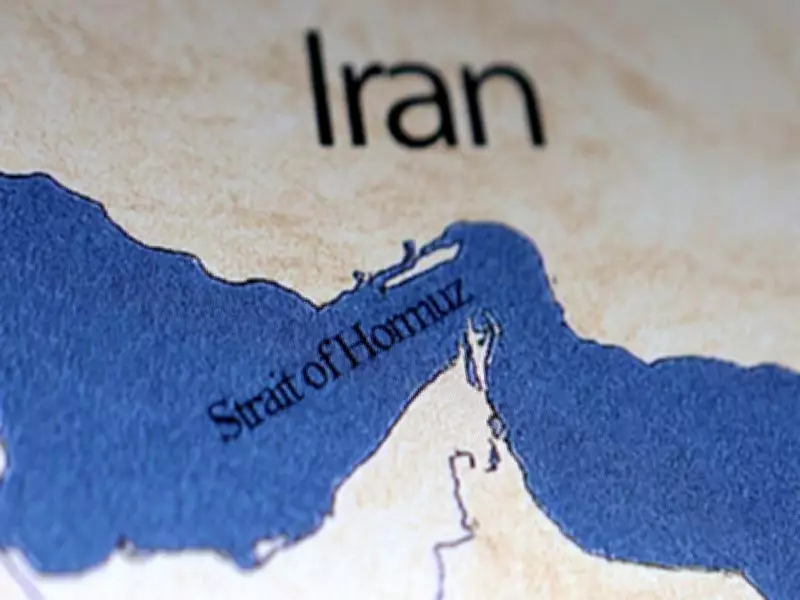
Iran Imposes Strict Coordination Rule for Strait of Hormuz Transit
The Iranian Defence Council has issued a firm declaration that the passage of "non-hostile vessels" through the strategically vital Strait of Hormuz is now contingent upon prior coordination with Iranian authorities. This announcement, reported by state broadcaster Press TV on Monday, comes as Tehran cites ongoing military aggression from the United States and Israel against its territory.
Warning of Severe Retaliation and Maritime Disruption
The Council delivered a stern warning, stating that any further strikes targeting Iran's power plants and energy infrastructure would provoke an immediate and "decisive and destructive response" from the Iranian Armed Forces. This statement follows a series of retaliatory actions by Iran, including targeting the Dimona nuclear complex in response to an attack on the Natanz facility and striking US assets after hostilities in the gas-rich Asalouyeh region.
In an escalation of maritime rhetoric, the Council cautioned that attempts to attack Iranian coasts or islands would lead to the deployment of "various types of naval mines" across all major shipping routes. Iranian officials asserted that such measures are within their legitimate rights and align with accepted military statutes, as per Press TV.

Potential for Maritime Paralysis in the Persian Gulf
The Council warned that these defensive actions could effectively "freeze maritime activities" in the Persian Gulf, creating a blockade similar to the current situation in the Strait of Hormuz. Responsibility for this potential maritime paralysis was placed squarely on Washington and the Israeli regime, whom Iran labels as the primary aggressors.
Drawing on historical precedents, the Council referenced the reported destruction of over 100 naval mine sweepers by Iranian forces during heightened Gulf tensions in the 1980s, underscoring their current capabilities and resolve.
Coordination as the Sole Safe Passage
As reported by Press TV, the Council reaffirmed that "coordination with Iran" is the only viable path for vessels to navigate the region safely. The statement also noted that all branches of the military and government have pledged allegiance to the new Leader, Ayatollah Seyed Mojtaba Khamenei, following the death of Ayatollah Seyed Ali Khamenei and several commanders in late February.
The current conflict, which began on February 28, has seen the Iranian Armed Forces launch large-scale missile and drone strikes against Israeli positions and US interests across the region, described by Tehran as a legitimate response to aggression.






