

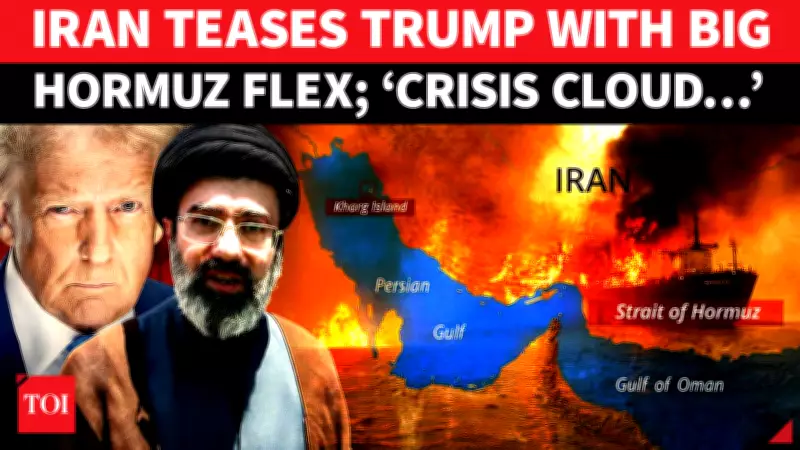
Iran Draws Red Line in Strait of Hormuz After US Seizes Iranian Ship
In a dramatic escalation of maritime tensions, Iran has issued a stern warning regarding the Strait of Hormuz, a critical global oil chokepoint, following the seizure of an Iranian-flagged vessel by the United States military. The incident, which occurred near the northern Arabian Sea close to the strait, marks the first such interception since the US initiated a naval blockade of Iranian ports last week.
'No Free Passage' Warning from Iranian Leadership
Iran's Vice President, Mohammad Reza Aref, delivered a terse message in response to the seizure, stating, "You cannot restrict Iran's oil exports and expect free security for others." This statement underscores Iran's firm stance against what it perceives as aggressive actions by the US, potentially setting the stage for heightened confrontations in the region.
Details of the US Seizure and Regional Implications
The United States confirmed that it forcibly seized the Iranian cargo ship after it attempted to pass through the naval blockade. This move is part of broader US efforts to enforce sanctions and restrict Iranian oil exports, which have been a point of contention in international relations. The Strait of Hormuz is a vital waterway through which approximately one-fifth of the world's oil passes, making any disruption here a significant threat to global energy markets.

Key developments include:
- The seizure occurred on Sunday, intensifying existing tensions between Iran and the US.
- Iran's response signals a potential shift towards more stringent control over maritime traffic in the strait.
- Experts warn that such actions could lead to a global oil crisis if escalations continue.
Broader Context and International Concerns
This incident comes amid a series of related events that have kept the region on edge. Recent reports highlight increased military activities, including the deployment of the USS Gerald R. Ford to the Middle East and various attacks involving Iranian forces. The situation is further complicated by ongoing conflicts in areas like Lebanon and Ukraine, which add layers of geopolitical instability.
As tensions simmer, the international community watches closely, concerned about the potential for a wider conflict that could disrupt oil supplies and impact global economies. The Strait of Hormuz remains a flashpoint, with Iran's latest terms suggesting that free passage may no longer be guaranteed, raising alarms about future maritime security and energy stability.






