

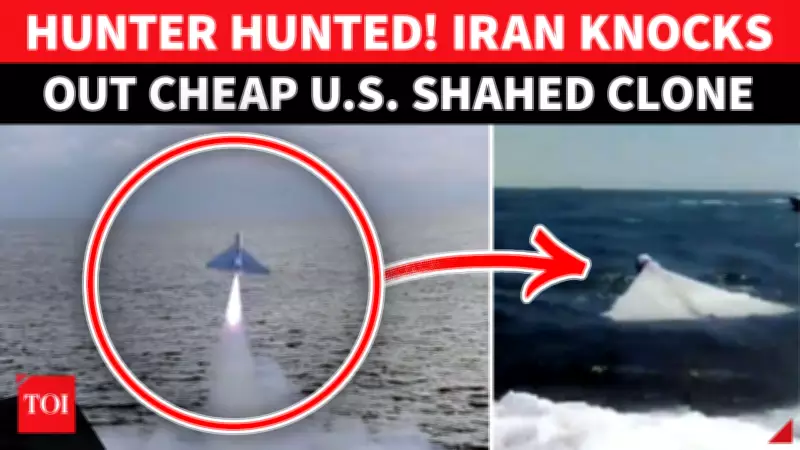
Iran Announces Interception and Destruction of US-Made Combat Drone
In a dramatic escalation of aerial hostilities, Iran has officially claimed responsibility for shooting down a United States-manufactured LUCAS combat drone over the strategic waters of the Persian Gulf. According to Iranian military statements, the unmanned aerial vehicle (UAV) was successfully intercepted and destroyed by advanced air defense systems during a mid-air engagement. This incident represents a significant development in the ongoing geopolitical tensions between Iran and the United States, highlighting the increasingly contested nature of airspace in the region.
Details of the Aerial Incident and Military Claims
The Iranian armed forces reported that the LUCAS drone was detected and targeted while operating over the Persian Gulf, a critical maritime corridor for global oil shipments. Military officials described the interception as a precise operation, resulting in the complete destruction of the aircraft. However, it is important to note that these claims have not been independently verified by external sources or international observers, leaving room for scrutiny regarding the exact circumstances and validity of the event.
This incident adds to a growing pattern of drone interceptions and aerial confrontations in the Middle East, where both state and non-state actors are increasingly utilizing unmanned technology for surveillance and combat purposes. The Persian Gulf, in particular, has become a hotspot for such activities due to its strategic importance and the presence of multiple military forces.

Geopolitical Implications and Regional Security Concerns
The destruction of the US-made drone, if confirmed, could have far-reaching implications for regional stability and international relations. It underscores the heightened state of alert and military preparedness in the area, with both Iran and the United States maintaining a strong presence. Experts warn that such incidents risk escalating into broader conflicts, especially given the history of tensions and previous confrontations in the region.
The lack of independent verification complicates the assessment of the event, as conflicting narratives often emerge in such high-stakes environments. Nonetheless, the Iranian claim itself serves as a powerful statement of military capability and defiance, potentially aimed at deterring further aerial incursions or asserting dominance in the Persian Gulf.
Context of Increasing Drone Warfare and Technological Arms Race
This event is part of a larger trend where drones are becoming central to modern warfare, offering advantages in reconnaissance, strike capabilities, and risk reduction for human operators. The LUCAS drone, known for its combat and surveillance functions, represents the type of advanced technology being deployed in these conflicts. As nations invest heavily in drone technology and countermeasures, incidents like this highlight the evolving nature of aerial combat and the challenges of maintaining security in contested airspaces.
In summary, Iran's reported interception of a US combat drone over the Persian Gulf marks a notable escalation in regional aerial conflicts, with significant geopolitical ramifications. While the claims await independent confirmation, the incident reflects the ongoing tensions and the critical role of drone technology in contemporary military engagements. The situation continues to be monitored closely by international observers for further developments.






